Feeling better
starts now.
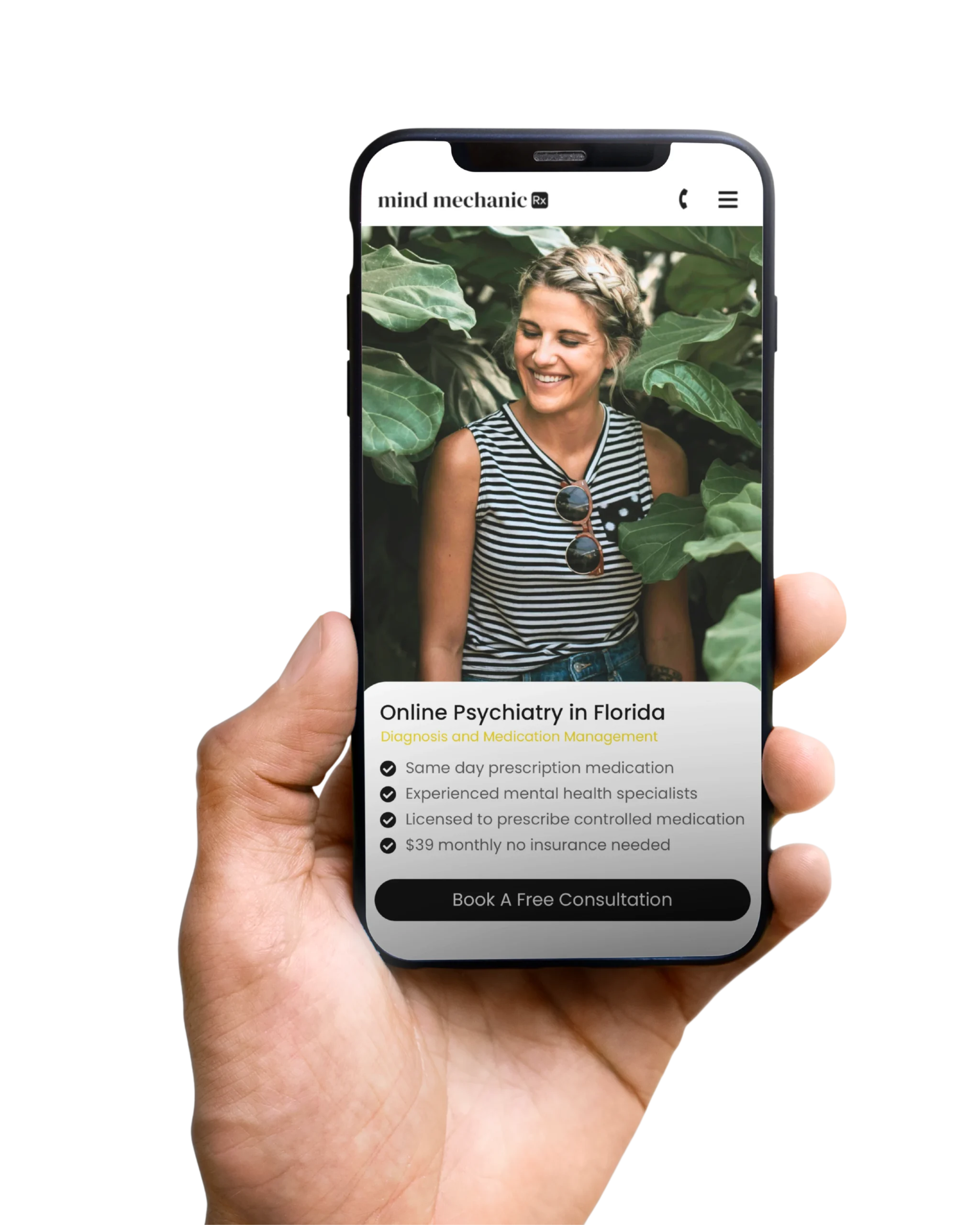
Our mental health specialists provide compassionate care and prescribe clinically proven medications to treat ADHD, anxiety, depression, bipolar disorder, and insomnia.
We offer medication management for mental health conditions such as ADHD, anxiety, depression, insomnia, and bipolar disorder.
ADHD can cause impulsive spending, sudden changes in plans, or blurting thoughts, because the brain’s internal brakes may engage a moment too late.
Anxiety is the brain’s attempt to protect you through anticipation, but it overshoots, creating suffering in advance for events that may never happen.
Depression can make you feel like a burden, interpreting silence as rejection, and assuming others would be better off without your needs, even when that isn’t true.
Bipolar disorder is more than feeling happy then sad; it involves clinical mood episodes that alter sleep, behavior, thinking speed, and the ability to function.
Insomnia is when relaxation techniques become another checklist, and you judge every breath, every sensation, creating pressure that crowds out the ease sleep actually needs, quietly.
We built our online psychiatry practice around what happens between appointments. We support mental health care access throughout Palm Beach County. That is when side effects appear, sleep changes, stress spikes, and questions start circling. Secure messaging gives patients a direct way to communicate with their clinician, while virtual visits provide thorough assessment and ongoing planning. We aim for timely access, clear education, and evidence based treatment that adapts as life changes. By combining convenience with real monitoring, we help care feel steadier, safer, and more responsive than the traditional “see you next month” model.
It’s time to prioritize your well-being. Start your mental health journey now and take control with convenient, expert psychiatric care from home.
Pharmacogenomic testing examines genes involved in medication metabolism and sensitivity, aiming to reduce trial-and-error. It can flag medications that may require lower doses or that could build up quickly due to enzyme differences. Still, it’s not a crystal ball: genes don’t measure trauma, sleep, nutrition, or therapy engagement. The best use is as one data point alongside clinical history, prior responses, side effects, and medical conditions. Psychiatry translates results into practical choices, such as slower titration, avoiding certain combinations, or picking medications less affected by metabolism differences. Even with testing, careful follow-up remains essential, because real-life response is the final evidence. When framed correctly, testing can reduce frustration without overpromising certainty.
Royal Palm Beach is a growing community where mental health support can make a meaningful difference. Stress from work, family responsibilities, or major life changes can affect emotional well being. Learning healthy coping skills, setting boundaries, and seeking professional guidance can help prevent burnout. Counseling offers a safe space to process feelings and develop resilience. When communities prioritize mental wellness, individuals feel less isolated and more empowered. Accessible care helps residents maintain balance, connection, and long term emotional strength.
Royal Palm Beach residents often experience major life transitions such as career changes, moving, parenting, or relationship shifts. Therapy can provide guidance during these adjustments by helping individuals process emotions, reduce stress, and build healthier coping skills. Many people find that speaking with a professional improves confidence and decision making. Supportive care can also prevent temporary challenges from developing into longer term anxiety or depression.
Work stress is common for many adults in Royal Palm Beach, especially those balancing long hours and family responsibilities. Chronic stress can contribute to anxiety, irritability, sleep problems, or difficulty concentrating. Over time, burnout may affect both emotional and physical health. Mental health treatment can help individuals set boundaries, develop stress management tools, and restore balance. Addressing stress early often leads to better overall wellbeing.
Panic attacks can feel intense and frightening, often causing rapid heartbeat, shortness of breath, dizziness, or a sense of losing control. In Royal Palm Beach, individuals experiencing repeated panic episodes may benefit from professional evaluation. Therapy can help identify triggers and teach calming techniques, while medication may be helpful in some cases. Seeking care can reduce fear and prevent panic symptoms from interfering with daily activities.
Depression often affects more than mood, and many Royal Palm Beach adults notice changes in motivation, energy, and interest in daily life. Tasks may feel harder, and people can withdraw from hobbies or relationships. Depression is treatable through therapy, psychiatric care, and lifestyle support. Recognizing early symptoms is important, since treatment can help individuals regain focus, enjoyment, and emotional stability over time.
Teenagers in Royal Palm Beach may face academic pressure, social stress, and emotional changes that impact mental health. Anxiety, depression, and self esteem challenges are common during adolescence. Counseling provides a safe space for teens to express feelings, learn coping strategies, and build resilience. Early support can improve school performance, relationships, and long term emotional wellbeing. Families also benefit from guidance and communication tools.
Mindfulness can be a helpful practice for Royal Palm Beach residents managing stress, anxiety, or emotional overwhelm. It involves focusing on the present moment through breathing, awareness, or relaxation exercises. Mindfulness may reduce racing thoughts and improve emotional regulation. Many people use it alongside therapy or psychiatric care as part of a complete treatment plan. Practicing regularly can support calmness, clarity, and healthier responses to stress.
Reviewed by Mind Mechanic Clinical Oversight
Last updated: January 28, 2026
