Several FDA-approved medications have been clinically proven to improve feelings of worry and nervousness. Learn more in our detailed anxiety medication guide.
Anxiety can make everyday life feel uncertain, so support should be easy to reach and steady over time. We keep care affordable, offer quick access to appointments, and provide secure messaging with your provider so questions do not pile up. By monitoring symptoms closely and adjusting treatment thoughtfully, your plan stays personal and practical. Many systems add stress through delays and layers of contact, but we focus on removing those barriers. Expect clear guidance, consistent follow up, and a calmer path to feeling better. Along the way, we share coping strategies and clear next steps to reduce uncertainty. We’re here to provide Anxiety treatment and other mental health services in North Palm Beach, FL.
Anxiety can present itself in many different ways. There are many signs and symptoms to watch out for.
Excessive worry associated with anxiety can drain mental energy, leaving individuals feeling tired despite little physical activity.
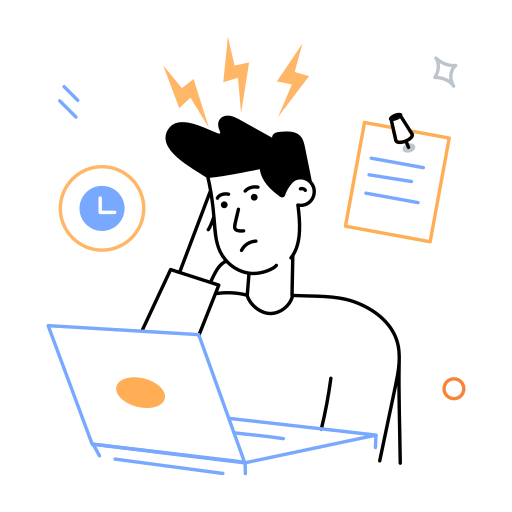
With anxiety, restlessness may feel internal, like tension that cannot be released through movement alone.
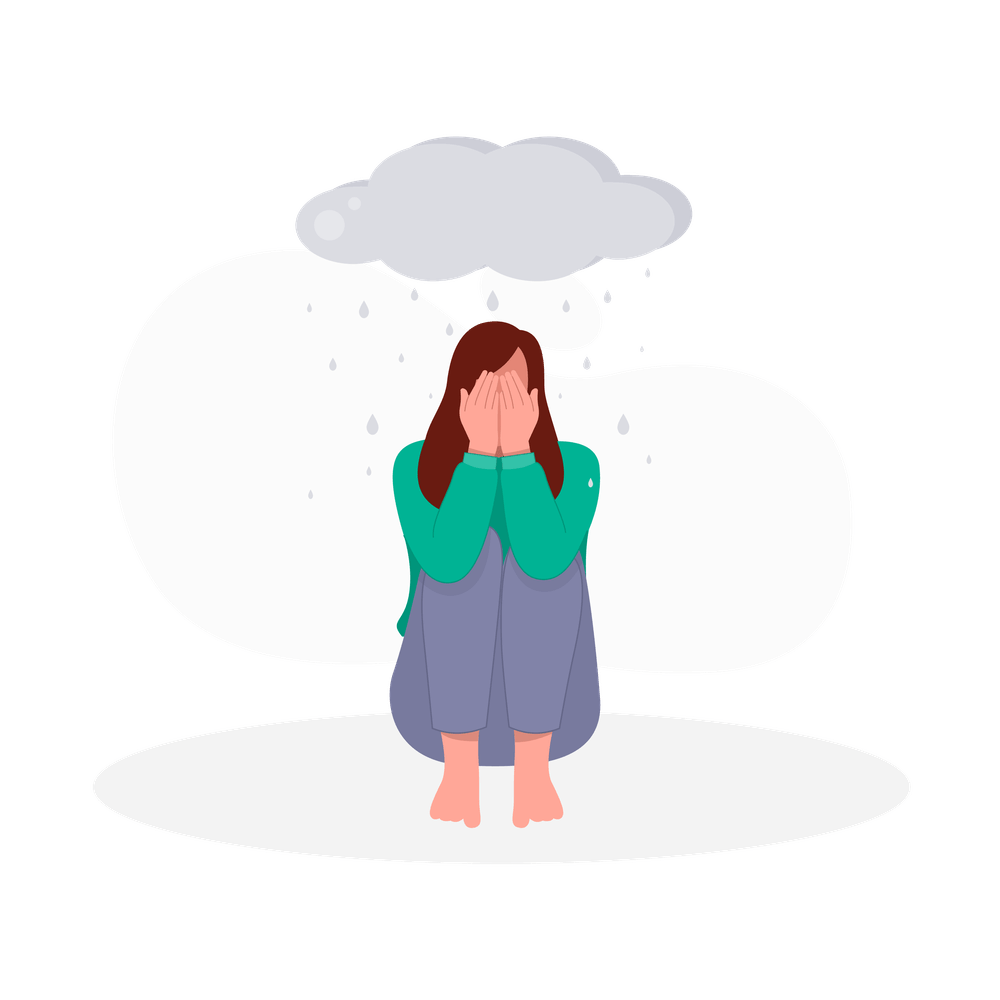
With anxiety, a fast heart rate may last longer than expected, even after stressful thoughts begin to fade.
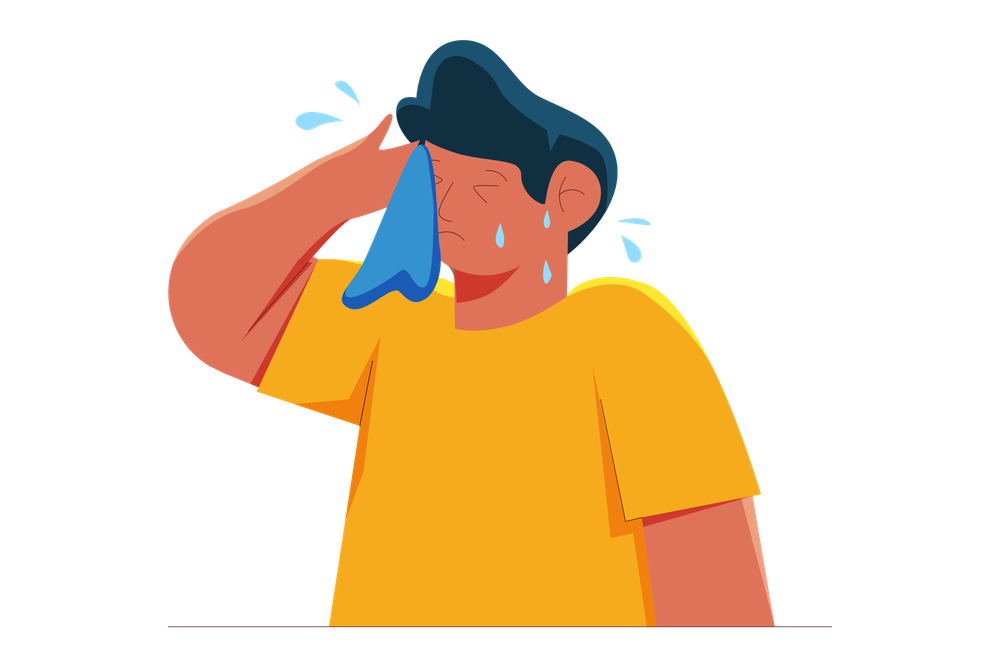
With anxiety, muscle soreness may worsen during periods of heightened stress or emotional strain.
With anxiety, irritability may increase during periods of uncertainty or when control feels limited.
Driving anxiety can start after a scary moment or during a stressful season. The brain links roads with danger. Use gradual practice. Begin with short familiar routes at calm times, then slowly increase distance or traffic. Keep a coping kit: water, calm music, and a written reminder of breathing steps. If panic rises, pull into a safe spot and reset, then continue when ready. Avoid avoiding. Each successful drive teaches your nervous system a new association. Celebrate the attempt, not perfection, and track wins in a note. If needed, practice with a supportive passenger.
North Palm Beach offers calming waterfront spaces that can support anxiety management. A simple reset is spending a few minutes outdoors with mindful breathing and attention to sensory details. Anxiety often pulls the mind into future worries, so grounding in the present helps. Consistent sleep, regular meals, and moderate exercise strengthen emotional regulation. Therapy can teach skills for panic symptoms and reassurance seeking. With steady routines, the environment becomes a supportive backdrop for recovery.
We offer medication management for mental health conditions such as ADHD, anxiety, depression, insomnia, and bipolar disorder.
ADHD is the tendency to underestimate time, overestimate future energy, and then sprint to catch up, apologizing for a schedule your brain couldn’t accurately measure.
Depression can steal language, leaving you unable to explain what’s wrong, so you say “fine,” and then feel guilty for not being able to translate the emptiness.
Mania may include grand plans, increased goal directed activity, and less sleep, alongside risky choices; it can also involve paranoia or psychosis, making reality feel unreliable.
Insomnia can be the body’s alarm system misreading bedtime as danger, releasing alertness hormones too late, then leaving you wide-eyed while the night stays calm anyway.
North Palm Beach looks peaceful, but anxiety often becomes louder when life slows down. When there is space to breathe, the mind may start reviewing worries, replaying conversations, or scanning for what could go wrong next. Calm surroundings do not automatically calm an overactive threat system. Learning to sit with stillness, using gentle attention shifts and intentional routines, helps the brain stop treating quiet as a problem to solve.
Some people experience anxiety through doing, not panicking. In North Palm Beach, high functioning anxiety may look like nonstop planning, staying busy, and feeling uncomfortable with rest. Productivity becomes a way to control uncertainty. The cost is exhaustion and irritability. A helpful shift is practicing small pauses without filling them, allowing the nervous system to downshift. Therapy can support breaking the belief that worth depends on constant output.
Anticipatory anxiety is the stress that builds before something even happens. In North Palm Beach, people may dread appointments, social plans, or upcoming responsibilities more than the event itself. The brain rehearses worst case outcomes, creating tension in advance. One strategy is focusing on the next concrete step rather than the entire future. Reducing mental rehearsal and returning to present actions helps anxiety lose momentum.
Yes, anxiety often creates decision paralysis. In North Palm Beach, even simple choices can feel loaded because the anxious brain demands certainty. People may delay decisions, overresearch, or fear regret. A useful approach is choosing based on values, not perfect outcomes. Setting a time limit and accepting tradeoffs builds confidence. Action creates clarity faster than endless thinking, and small decisions become easier with practice.
Anxiety commonly affects the stomach because the gut and nervous system are closely linked. In North Palm Beach, someone may lose appetite, feel nausea, or experience tightness in the abdomen during stressful periods. These symptoms can be unsettling, but they are often part of the body’s stress response. Eating regular simple meals, staying hydrated, and reducing worry driven checking helps the body settle back into balance.
Anxiety recovery is less about one trick and more about changing your relationship with discomfort. In North Palm Beach, long term improvement often comes from reducing avoidance, building tolerance for uncertainty, and creating a life that is not organized around fear. Therapy can help untangle patterns that keep anxiety active, while routines support steadiness. The goal is not never feeling anxious, but living freely even when anxiety visits.
Reviewed by Mind Mechanic Clinical Oversight
Last updated: January 28, 2026
