Several FDA-approved medications have been clinically proven to improve feelings of worry and nervousness. Learn more in our detailed anxiety medication guide.
Our mission is to create a smoother path to anxiety relief by focusing on access, communication, and personalization. We offer timely appointments and direct messaging so you can reach your provider when questions arise. Anxiety often feels relentless, and delays can increase distress, so we emphasize close monitoring and consistent follow up. We reduce barriers such as long waitlists and difficult phone systems. Our goal is supportive, individualized care that helps you regain stability, strengthen coping, and move forward with clearer expectations. Always, we stay responsive. We’re here to provide Anxiety treatment and other mental health services in Tequesta, FL.
Anxiety can present itself in many different ways. There are many signs and symptoms to watch out for.
Excessive worry driven by anxiety often keeps the mind focused on future possibilities instead of the present moment.
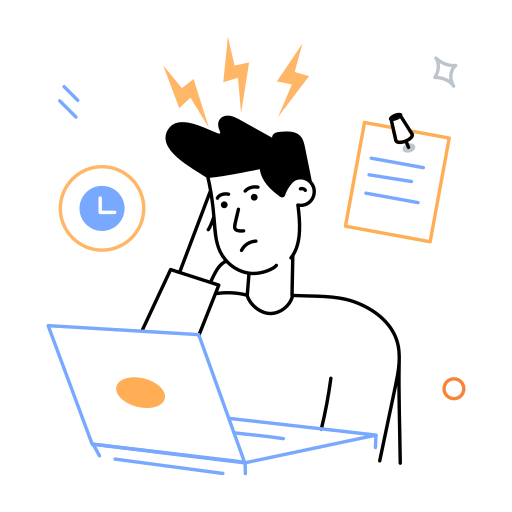
Restlessness linked to anxiety may continue throughout the day, regardless of physical activity or mental workload.
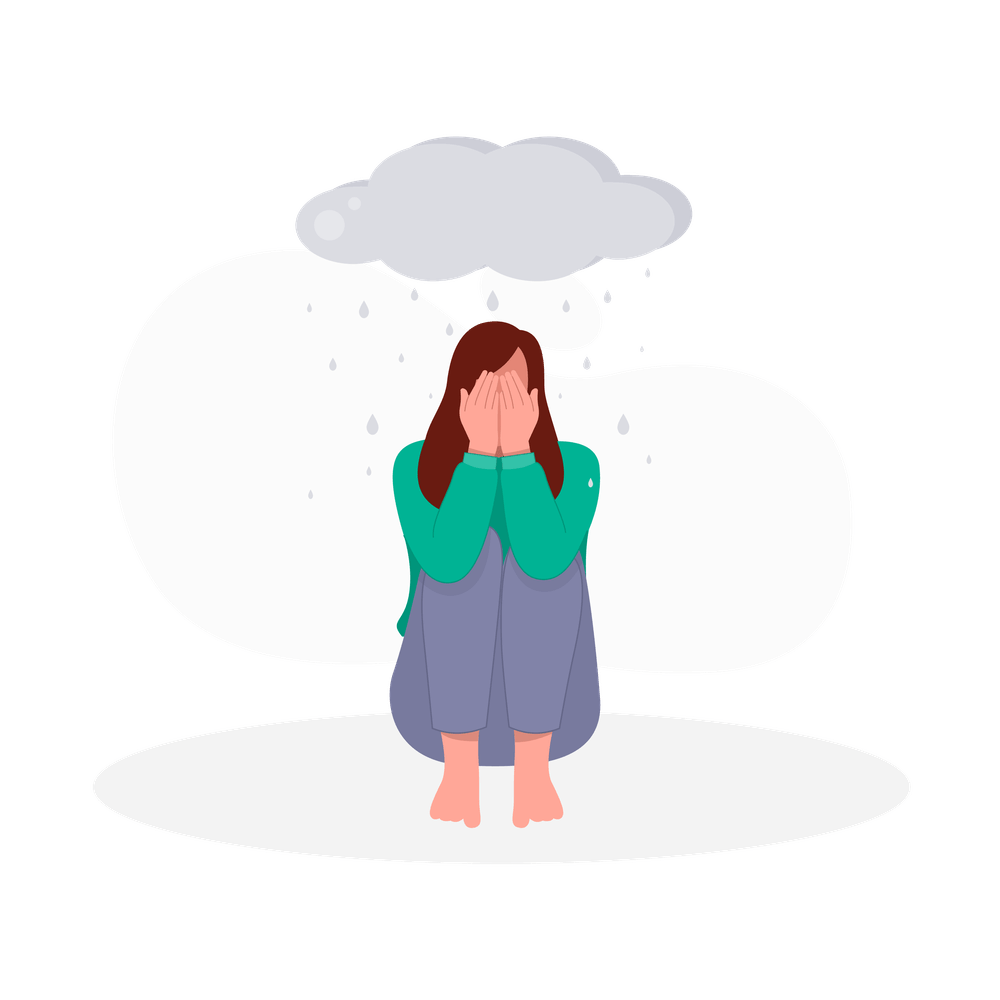
A fast heart rate from anxiety is commonly linked to the fight or flight response remaining active too long.
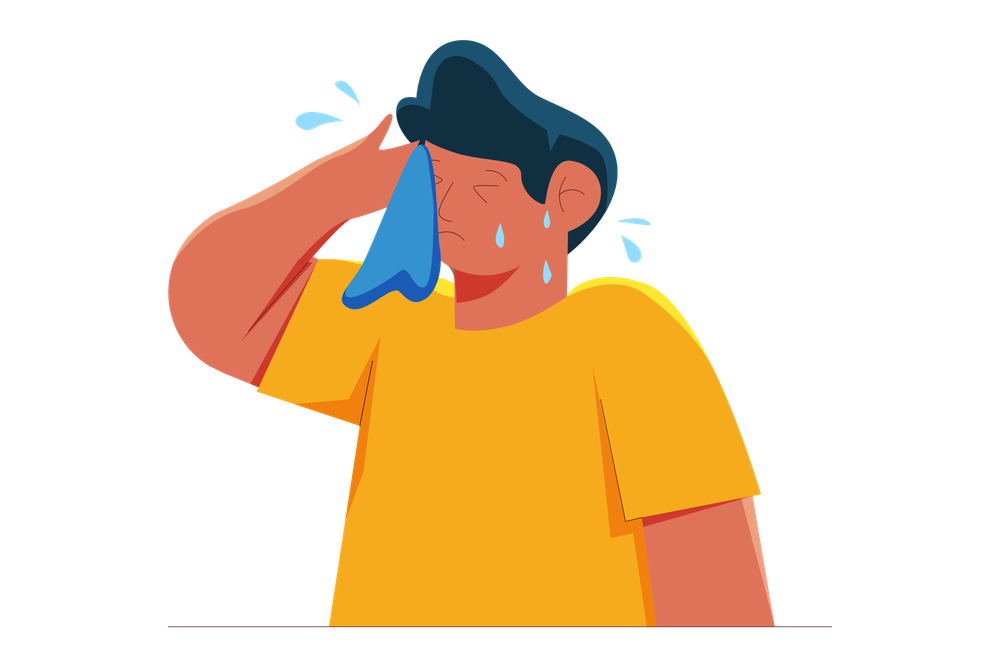
Muscle soreness linked to anxiety can feel confusing, especially when pain appears without injury or strenuous activity.

Irritability linked to anxiety often comes from feeling mentally overloaded and unable to fully relax.
Many people wake with anxiety before anything happens. Cortisol naturally rises in the morning, which can feel like dread. Start with a gentle sequence: drink water, eat protein, get light exposure, and move for five minutes. Avoid checking email or news immediately. If thoughts rush in, write them down as a parking lot list. Then pick one simple first task. A predictable morning routine teaches your brain that mornings are safe and manageable. If mornings stay intense, discuss it with a clinician to rule out medical contributors. Simple repetition builds calm faster than willpower.
Tequesta offers a quieter pace that can feel soothing, but anxiety may grow if isolation increases. Planned connection helps, such as brief daily check ins with friends, therapy sessions, or community activities. Predictable routines around sleep, meals, and movement reduce nervous system stress. Grounding practices like sensory awareness and longer exhales can interrupt spirals. Therapy supports coping skills for uncertainty and rumination. With structure and support, quiet living feels stabilizing rather than lonely.
We offer medication management for mental health conditions such as ADHD, anxiety, depression, insomnia, and bipolar disorder.
ADHD is often misunderstood as laziness, but it’s more like friction; the effort to begin can be enormous, even when the task is simple and the goal matters.
Depression can distort compliments, letting praise bounce off while criticism sticks, because your brain filters for proof you’re not enough, even when facts say otherwise.
For some, the high is not joyful but irritable: impatience, anger, and quick frustration, paired with racing thoughts and a sense that everything is moving too slowly.
Insomnia feels like your bedroom becomes a thinking room, trained by repetition, so stepping into bed triggers analysis, planning, and worry instead of softness and ease.
Tequesta has a peaceful small town pace, but quiet environments can sometimes make internal worries feel more noticeable. Without constant distractions, the mind may start scanning for problems, replaying conversations, or predicting worst case outcomes. Anxiety can thrive in silence when the brain treats stillness as a time to solve everything. Building structured routines, planned connection, and calming practices helps. Therapy can teach skills for tolerating quiet without spiraling into overthinking.
Many people experience anxiety through overplanning rather than panic. In Tequesta, someone may feel unable to relax unless every detail is organized, from schedules to future possibilities. This is the brain seeking control to reduce uncertainty. While planning can be helpful, excessive planning becomes exhausting. Practicing flexibility, allowing small unknowns, and using grounding techniques helps break the cycle. Therapy supports healthier responses to uncertainty so life feels calmer and less rigid.
Yes, anxiety often leads to withdrawal because avoiding discomfort brings short term relief. In Tequesta, people may skip gatherings, delay calls, or stay isolated to prevent worry. Over time, avoidance strengthens anxiety and shrinks confidence. A better approach is gradual engagement, small interactions that feel manageable. Therapy can help reduce fear of judgment and build coping skills. Connection becomes easier when anxiety is approached gently rather than avoided completely.
Health anxiety involves becoming overly focused on physical sensations and fearing something serious is wrong. Tequesta residents may notice dizziness, chest tightness, or stomach discomfort and immediately worry about worst case explanations. This can lead to repeated checking or reassurance seeking. Learning to label sensations as stress responses helps reduce panic. Structured medical care when needed and therapy for worry cycles can break the constant scanning that fuels health anxiety.
Nighttime anxiety often becomes louder when everything is quiet. In Tequesta, someone may lie awake replaying worries or planning tomorrow, which keeps the nervous system activated. Helpful strategies include a consistent wind down routine, limiting screens, and writing thoughts down before bed. The goal is not forcing sleep but creating conditions for calm. Therapy can help reduce rumination and teach relaxation skills so sleep feels safer and more natural.
Healthy anxiety treatment focuses on building confidence rather than needing constant reassurance. In Tequesta, therapy often helps people face fears gradually, reduce avoidance, and respond calmly to physical stress signals. Medication may support some individuals when symptoms are severe. The goal is learning that anxiety can exist without controlling decisions. Support works best when it strengthens independence, allowing people to live fully even when uncertainty or discomfort appears.
Reviewed by Mind Mechanic Clinical Oversight
Last updated: January 28, 2026
