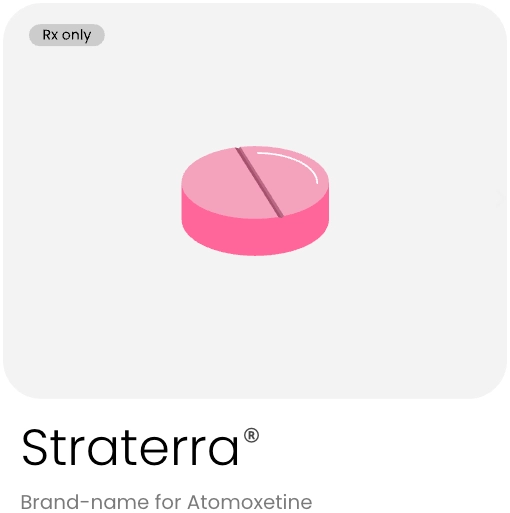
Several FDA-approved medications have been clinically proven to improve attention and focus. Learn more in our detailed adhd medication guide.
We are committed to delivering ADHD mental health care that is accessible, supportive, and focused on real progress. ADHD impacts attention, motivation, planning, and emotional regulation, and treatment should be responsive to your life. Our mission is to remove barriers like long wait times and limited provider access by offering timely appointments and direct communication. With messaging support, you can stay connected between visits and feel guided through challenges. We prioritize personalized care that evolves with your needs. Our goal is to help you thrive with ADHD. We’re here to provide ADHD treatment and other mental health services in Tequesta, FL.
ADHD can present itself in many different ways. There are many signs and symptoms to watch out for.
Parents with ADHD may notice forgetfulness in daily family routines, like appointments, school forms, or important household tasks.

Many people with ADHD procrastinate on self care tasks, like scheduling appointments, managing finances, or completing daily routines.

Careless mistakes in ADHD can improve with strategies like checklists, routines, and slowing down before completing important tasks.

In ADHD, disorganization may create a cycle of overwhelm, where clutter and unfinished tasks increase stress and reduce focus.
Many with ADHD find that trouble focusing improves with structure, breaks, and strategies that support sustained attention.
Many people with ADHD focus better when someone else is present. This is called body doubling. You can work beside a friend at home a coworker on video or even in a library. Agree on a start time and a target for the next thirty minutes. Keep chat minimal and use check ins at the end of each sprint. The social presence adds gentle accountability and reduces drift. It also makes boring tasks feel less lonely. Body doubling is a simple tool with big payoff for follow through. Consistency matters more than intensity so keep it simple and repeatable.
Tequesta life can be calmer but ADHD clutter can still grow quickly. Use low clutter systems that are easy to maintain. Create one landing zone for keys wallet mail and chargers. Use open bins labeled with broad categories rather than tiny sorting rules. Set a ten minute daily reset timer and stop when it ends. Keep cleaning supplies where the task happens to avoid hunting and quitting. Add a weekly paper review for forms and receipts. Predictable spaces reduce stress and make follow through feel possible even on low energy days.
We offer medication management for mental health conditions such as ADHD, anxiety, depression, insomnia, and bipolar disorder.
Sometimes anxiety feels like a storm of anticipation, where the mind rehearses problems repeatedly, hoping preparation will prevent discomfort.
With depression, laughter may feel forced, as the inner experience remains heavy despite attempts to appear normal or strong around others.
During manic episodes, bipolar disorder may cause impulsive spending, risky behavior, or grand ideas, requiring careful monitoring and professional care.
With insomnia, mornings can feel discouraging, as waking up tired becomes a repeated experience that drains motivation and energy.
Tequesta can feel calmer, but ADHD does not disappear with a slower pace. Quiet can actually reveal symptoms because there are fewer external deadlines to hold your attention. People may drift between tasks, procrastinate, or hyperfocus on the wrong thing. Create gentle structure with fixed start times, a short daily plan, and a visual timer for focus sprints. Keep a written next step for each task so you do not waste energy deciding what to do next. Simple anchors prevent overwhelm and build consistency.
A good workspace reduces decisions and distractions. In Tequesta, choose one dedicated spot and keep only the tools for your current task visible. Store everything else in a single bin so resets are quick. Face away from windows or foot traffic if you drift easily. Use headphones or a soft background sound, and set a timer for short work sprints with planned breaks. Start each sprint by writing the next tiny action on a note. A consistent setup teaches your brain this is focus time and reduces avoidance.
Paper piles grow because processing feels vague. In Tequesta, build a simple paper funnel. Keep one tray for all mail and papers and schedule one weekly processing time. Sort into three piles (act, file, shred). For act items, write the next action at the top (like call, pay, upload) and then do the first item only. Use broad folders like medical, taxes, home, and kids. Set bills to autopay when possible. One routine prevents paperwork from becoming a guilt stack and keeps deadlines from surprising you.
Bedtime battles often stem from too many steps and too much stimulation. In Tequesta, create a predictable wind-down that starts earlier than you think. Use the same sequence nightly: bathroom, pajamas, brush teeth, story, lights out. Put the steps on a simple visual chart. Dim lights and avoid screens near bedtime. Add a calming body cue, such as a warm shower or stretching. Use a timer for transitions and praise completion, not speed. Consistency helps the brain shift into sleep mode and reduces arguments over time.
Classroom structure can hold attention, but home requires self-management. Tequesta teens may understand lessons yet lose track of assignments because working memory and planning are strained. Use one homework dashboard and a nightly five-minute review. Break homework into short, timed sprints and keep the phone in another room during the sprint. Pack the backpack right after the last sprint so materials are ready. Ask teachers for written directions and smaller milestones for long projects. External systems turn knowledge into completed work.
Mindfulness does not have to mean sitting still for twenty minutes. In Tequesta, start with active mindfulness that matches ADHD energy. Try a two-minute breath practice after brushing teeth, or a mindful walk where you notice five things you see, four you hear, and three you feel. Use a longer exhale to calm the nervous system. Pair mindfulness with a daily cue so it becomes automatic. Short practices build the pause between impulse and action and can improve emotional regulation over time without feeling like another chore.
Reviewed by Mind Mechanic Clinical Oversight
Last updated: January 28, 2026
