Several FDA-approved medications have been clinically proven to improve feelings of sadness. Learn more in our detailed depression medication guide.
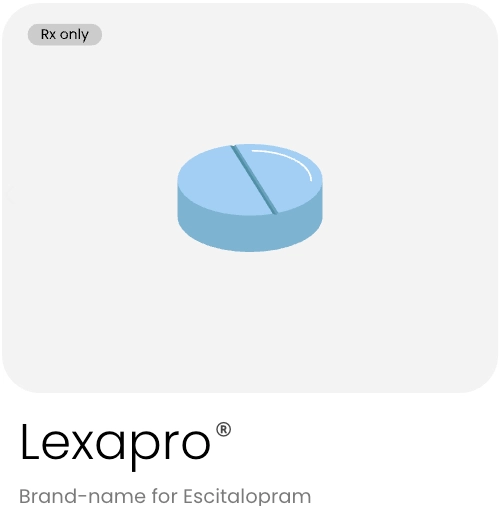
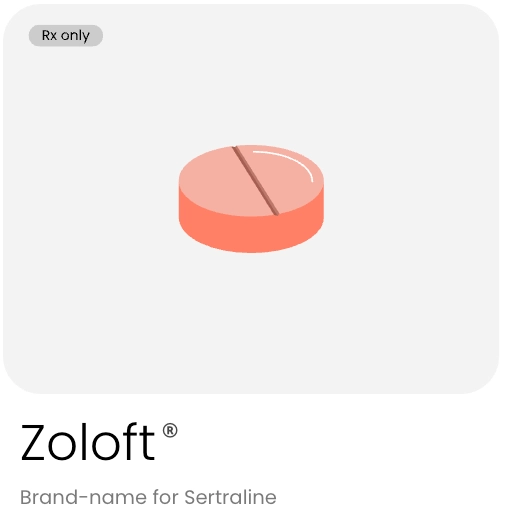
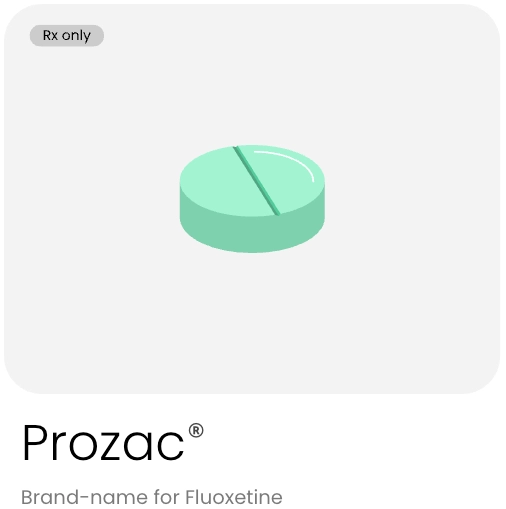
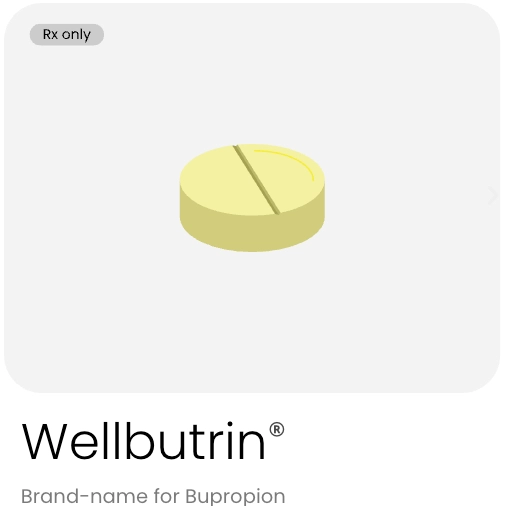
We are dedicated to providing depression-focused mental health care that is affordable, responsive, and patient-centered. Depression can affect every area of life, which is why we prioritize timely appointments and direct communication with your provider. Patients can message easily, ensuring ongoing support and personalized monitoring. We work to remove obstacles like long delays and complicated systems. Our mission is to help you find relief, restore emotional strength, and move forward with confidence and support. We’re here to provide Depression treatment and other mental health services in Jupiter, FL.
Depression can present itself in many different ways. There are many signs and symptoms to watch out for.
Depression can make anxious fears feel permanent, turning temporary stress into hopelessness that colors everything with doubt and emotional heaviness.
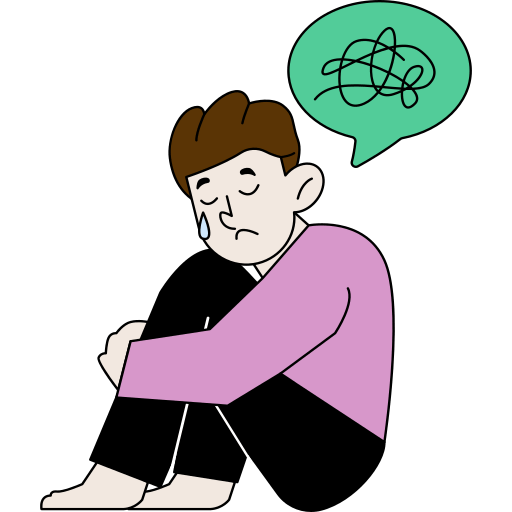
With depression, low energy may persist throughout the day, creating a constant sense of tiredness that doesn’t match the situation.
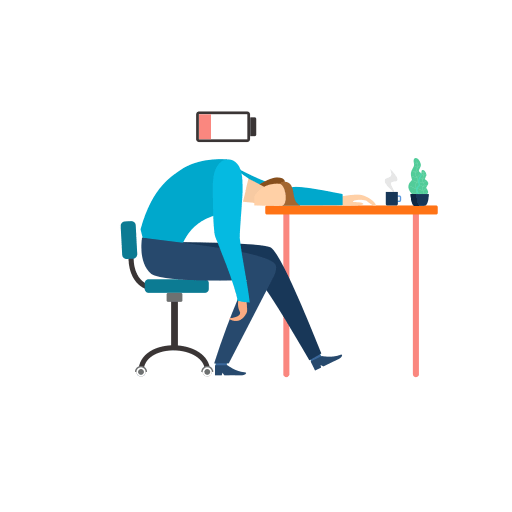
Sleep changes often accompany depression when worry and rumination keep the brain active, preventing deep, restorative rest.
Depression can cause difficulty focusing at work or school, where mental clarity is reduced and even simple assignments feel harder.

Irritability may appear in depression when appetite changes, blood sugar swings, or skipped meals make mood regulation more difficult.

Depression can make you feel like a burden, so you stop reaching out. Relationships often weaken when contact disappears, which increases loneliness. A gentle maintenance strategy is keeping connection small and predictable. Send a simple check in message once a week or share a photo or song with no pressure to respond. If you cannot meet in person, offer a short call window. The goal is continuity, not emotional performance. True friends prefer honest small contact over silence. Connection becomes a bridge back to yourself
Depression in Jupiter can feel like heavy inertia, even in a beautiful environment. A helpful strategy is using the outdoors as a tiny activation tool. Commit to five minutes outside, morning light, short walk, or sitting in fresh air, then decide if you continue. Pair it with one practical action, shower, protein, or one email reply. Small wins reduce avoidance and soften all or nothing thinking. Therapy supports motivation and reframes self criticism. Recovery often begins with micro actions repeated daily.
We offer medication management for mental health conditions such as ADHD, anxiety, depression, insomnia, and bipolar disorder.
ADHD can produce hyperfocus, a deep lock-on state where hours disappear, the outside world fades, and switching away feels physically difficult, even for important obligations.
Anxiety can feel like social static, making you hyperaware of facial expressions, tone, and pauses, interpreting neutral cues as rejection or looming conflict.
Some episodes involve mixed features: bipolar disorder can produce restless energy alongside dark thoughts, creating a jittery, uncomfortable state that doesn’t match classic “high” or “low.”
With insomnia, sleep may come in short fragments, leaving you feeling as if you never truly reached deep, restorative rest.
Jupiter is known for natural beauty, yet depression can make everything feel muted and far away. This happens because depression affects the brain’s ability to register reward and connection, not the environment itself. Someone may feel guilty for struggling in a place that seems peaceful. The goal is understanding that depression is internal, not a failure of gratitude. Gentle routines, support, and treatment help the nervous system reconnect so surroundings can feel real again.
Outdoor time can help when it is treated as a small activation tool, not a cure. In Jupiter, committing to five minutes outside, sitting in light, walking briefly, listening to waves, can interrupt rumination. The key is consistency, not intensity. Pair the outdoor moment with one practical step like eating protein or showering. Depression improves through tiny repeated engagement. Therapy supports this process by reducing avoidance and self criticism that keeps people stuck indoors.
Yes, depression often encourages isolation. In Jupiter, someone may stop reaching out, cancel plans, or stay quiet because they feel like a burden. This withdrawal can deepen loneliness and reinforce hopelessness. A helpful goal is planned connection: one small interaction each day, a text, short call, brief meet up, or therapy session. Connection does not need to be long to matter. Recovery often begins when isolation is interrupted gently and consistently.
Depression often turns the mind into extremes. In Jupiter, someone may believe they must either feel fully better or nothing is working. This all or nothing thinking increases hopelessness and discourages small progress. A helpful practice is focusing on micro wins, one task completed, one walk taken, one conversation started. Therapy helps challenge distorted thinking and build realistic expectations. Depression recovery is built from small steps that accumulate, not sudden transformations.
Depression frequently disrupts sleep patterns. Jupiter residents may oversleep and still feel exhausted, or struggle with insomnia and rumination. When rhythm breaks, mood often worsens. Protecting a consistent wake time, getting morning light, limiting long naps, and creating calming bedtime routines helps restore regulation. Sleep improvement is gradual but powerful. Therapy can help with nighttime thought loops. Stable rhythm gives the nervous system a foundation for recovery.
Long term healing is not about instantly feeling carefree. In Jupiter, meaningful recovery often looks like life slowly expanding, routines returning, connection increasing, and avoidance shrinking. Progress is measured by flexibility, not constant happiness. Setbacks are part of the process, not failure. Therapy and support provide tools for shame and negative thinking, while daily habits rebuild stability. Over time, depression becomes less central and life regains color.
Reviewed by Mind Mechanic Clinical Oversight
Last updated: January 28, 2026

