Several FDA-approved medications have been clinically proven to improve feelings of sadness. Learn more in our detailed depression medication guide.
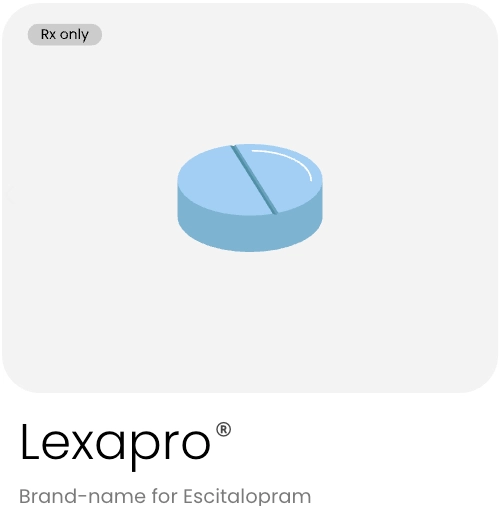
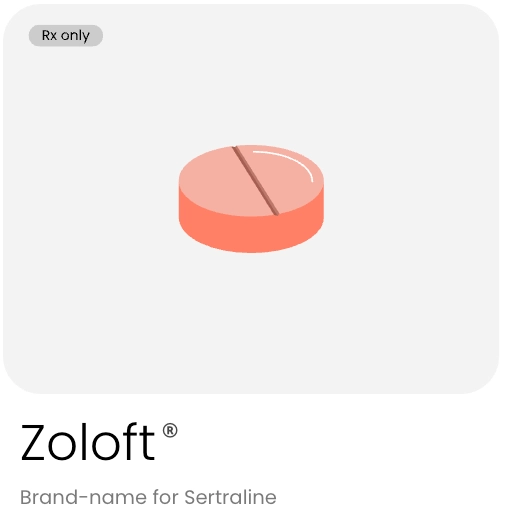
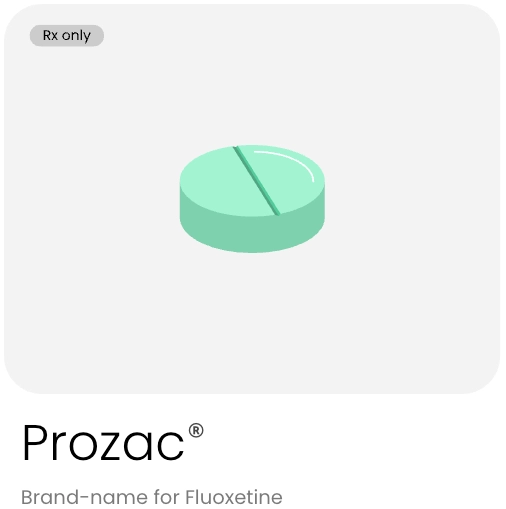
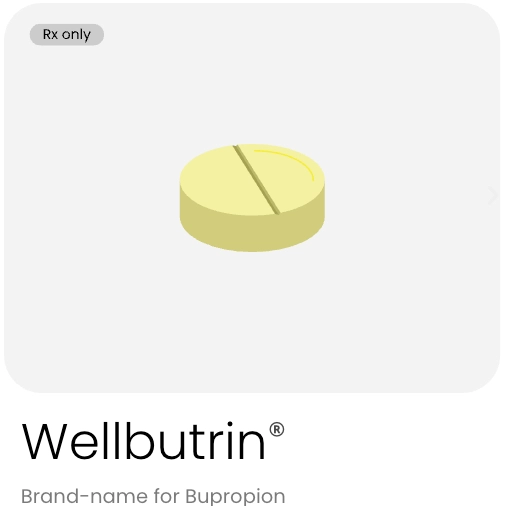
We strive to deliver depression treatment that is compassionate, accessible, and tailored to each individual. Depression can make reaching out difficult, which is why we offer prompt appointments and affordable care. Direct messaging with your provider allows ongoing support and close monitoring between visits. We focus on removing barriers like endless phone calls and long waitlists. Our mission is to help patients find relief, improve emotional balance, and rebuild a sense of purpose through personalized care. We’re here to provide Depression treatment and other mental health services in Boynton Beach, FL.
Depression can present itself in many different ways. There are many signs and symptoms to watch out for.
In depression, anxiety can distort perspective, leading to hopelessness that whispers nothing will change, even when support is available.
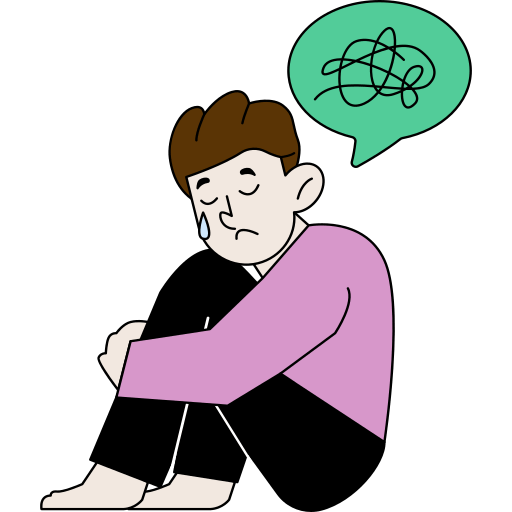
Depression often turns low energy into frustration, as the person may blame themselves for struggles that are actually symptoms of illness.
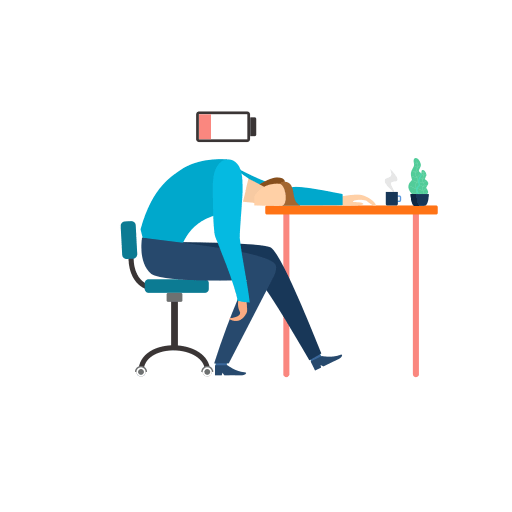
Sleep changes may reflect depression’s impact on appetite and routine, as irregular habits often disrupt consistent bedtime schedules.
In depression, difficulty focusing may cause procrastination, as tasks feel mentally demanding and attention fades quickly.

In depression, irritability can show up at work as impatience, where feedback feels sharper and minor setbacks feel unusually aggravating.
Light exposure influences mood and energy. Depression often keeps people indoors, which reduces one natural stabilizer. Aim for morning light, even ten minutes outside or near a bright window. Pair it with a simple activity like a short walk or stretching. The goal is consistency, not perfect weather. Light supports sleep rhythms and can improve daytime alertness. If mornings are hard, start with opening blinds. Small exposures add up. Sunlight is not a cure, but it is a reliable helper when used regularly
Boynton Beach families often run on full calendars, and depression can appear as shutdown when demands pile up. Instead of sadness, it may look like fatigue, irritability, or withdrawing from routines. The nervous system may feel overwhelmed and choose disengagement. Recovery starts with simplifying the day into a few essentials: sleep, food, one small task, one connection. Support works best when it is practical and patient. Therapy can help reduce shame and build coping strategies so responsibilities feel manageable again.
We offer medication management for mental health conditions such as ADHD, anxiety, depression, insomnia, and bipolar disorder.
ADHD often includes trouble with routines, where habits don’t stick easily, and daily basics like meals, sleep, or email can feel like constant reboots.
Anxiety may create irritability, impatience, and a short fuse, because your brain is already overloaded trying to manage perceived threats and prevent mistakes.
Bipolar disorder may affect memory of the episode itself, leaving people confused about choices made while energized, or ashamed of words said during irritability and agitation.
Insomnia sometimes starts with one bad night, then grows into a pattern where sleep becomes unpredictable and stressful.
Many Boynton Beach residents describe depression as heaviness rather than sadness. Simple actions feel slowed, emotions feel muffled, and motivation disappears. This happens because depression affects energy, reward, and nervous system regulation. People may still show up externally while feeling disconnected inside. A helpful approach is micro movement and micro goals, one small step at a time. Therapy supports recovery by reducing hopeless thinking and helping life regain momentum gradually.
Boynton Beach has many older adults, and depression in later life can be overlooked. It may appear as low energy, irritability, sleep changes, or loss of interest rather than obvious sadness. Social isolation and health stress can contribute. The goal is maintaining connection and routine, even in small ways. Community engagement, gentle activity, and therapy can help restore meaning. Depression is not a normal part of aging, and support can make a significant difference.
Yes, depression is often felt in the body. Boynton Beach residents may notice headaches, muscle tension, stomach discomfort, or constant tiredness. These symptoms can be confusing because they seem unrelated to mood. Depression affects stress hormones and nervous system activation, so physical sensations are common. Gentle movement, hydration, and consistent sleep help. Medical evaluation is important if symptoms persist. Therapy also supports mind body awareness so discomfort feels less alarming.
Parents in Boynton Beach may still meet family responsibilities while feeling emotionally blank or depleted. Depression can create shutdown when stress and demands pile up. Instead of sadness, it may look like numbness, irritability, or withdrawal. The goal is not perfect functioning, but sustainable support. Small practical help, predictable routines, and professional care reduce burden. Therapy helps parents manage guilt and rebuild emotional connection so family life feels less like survival mode.
Depression often fuels comparison, making people believe others are doing better. In Boynton Beach, someone may see neighbors or friends enjoying life and feel defective for struggling. Depression creates a distorted lens, turning normal challenges into evidence of failure. A helpful practice is labeling these thoughts as symptoms, not truths. Therapy supports rebuilding self worth and focusing on personal progress rather than imagined standards. Recovery grows when comparison loses authority.
Improvement is usually gradual. In Boynton Beach, recovery often looks like small returns, more consistent sleep, brief interest in activities, reaching out instead of withdrawing. Progress is measured by engagement, not constant happiness. Setbacks are part of healing, not proof of failure. Therapy provides tools for negative thinking and shame, while routines rebuild stability. Over time, depression becomes less central, and life expands beyond its narrow boundaries.
Reviewed by Mind Mechanic Clinical Oversight
Last updated: January 28, 2026

