Several FDA-approved medications have been clinically proven to improve mood stability. Learn more in our detailed bipolar medication guide.
We are committed to helping individuals living with bipolar disorder access care that is timely, affordable, and truly personalized. Our mission is centered on direct communication, prompt appointments, and close monitoring to support mood stability. Traditional systems often create distance between patients and providers, but we prioritize responsiveness and connection. Bipolar disorder care requires ongoing attention, thoughtful adjustments, and trust. By removing common barriers like long waitlists and confusing processes, we aim to provide the support you need when you need it most. We’re here to provide Bipolar Disorder treatment and other mental health services in Wilton Manors, FL.
Bipolar disorder can present itself in many different ways. There are many signs and symptoms to watch out for.
With bipolar disorder, emotional instability may lead to sudden irritability or tearfulness, highlighting the importance of consistent care and healthy coping routines.
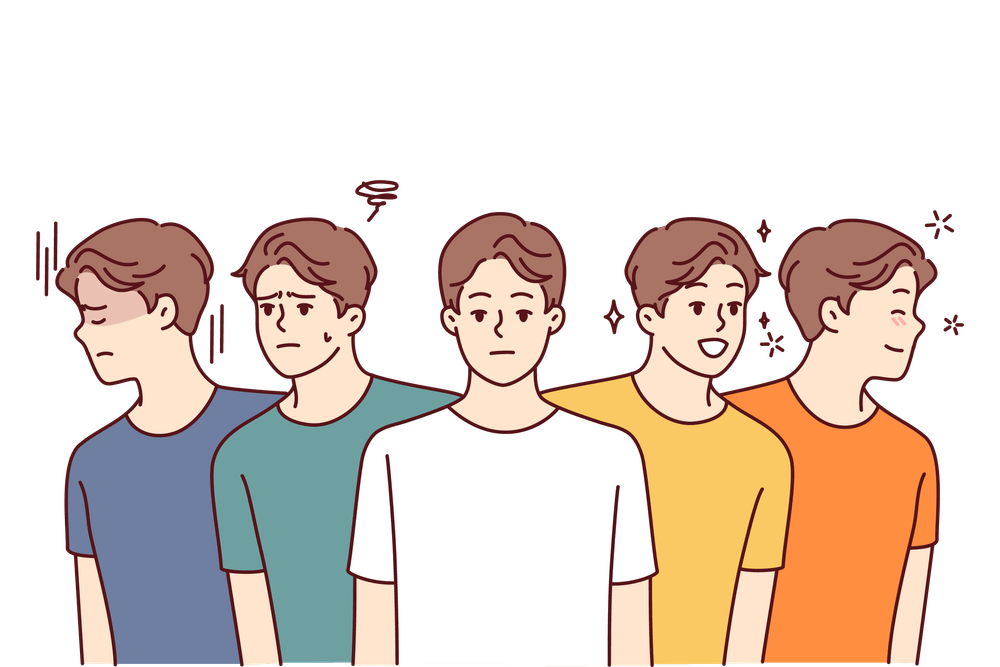
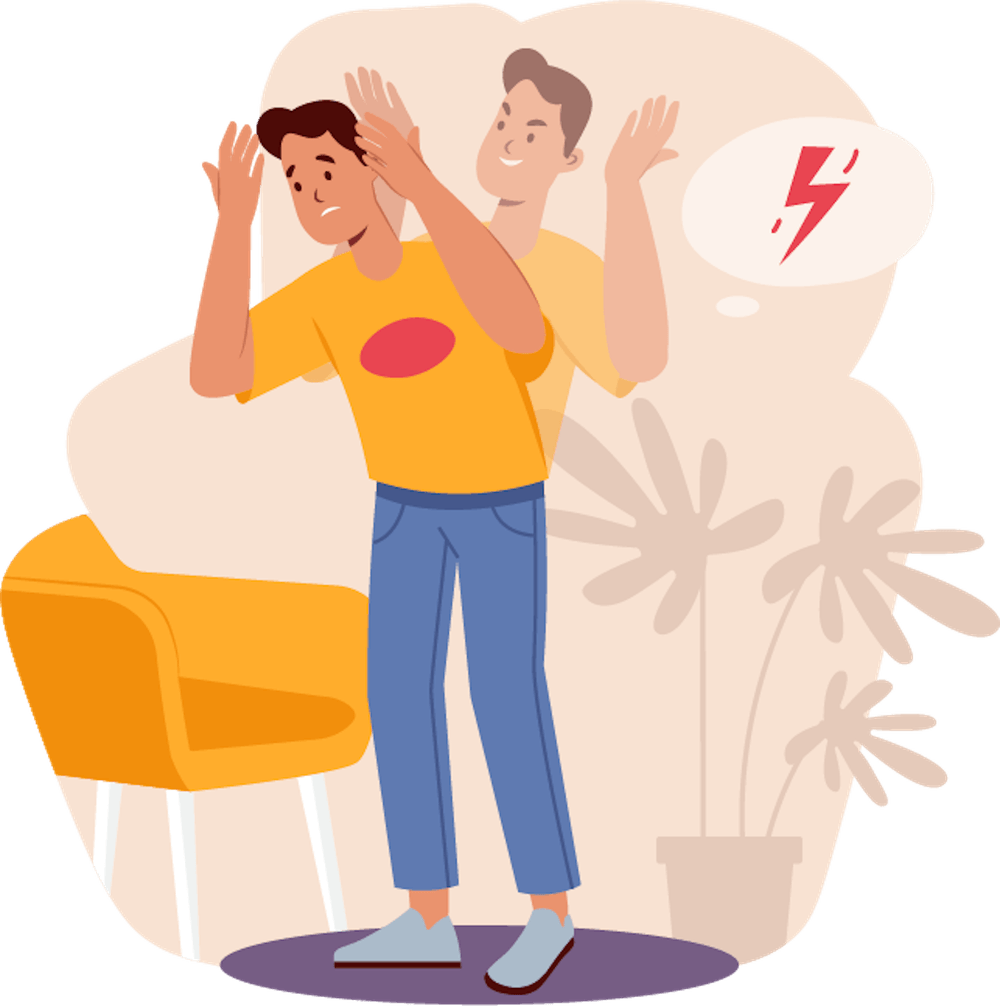
With bipolar disorder, mania may show up as extreme optimism, fast-paced activity, and reduced awareness of personal boundaries or realistic limitations.
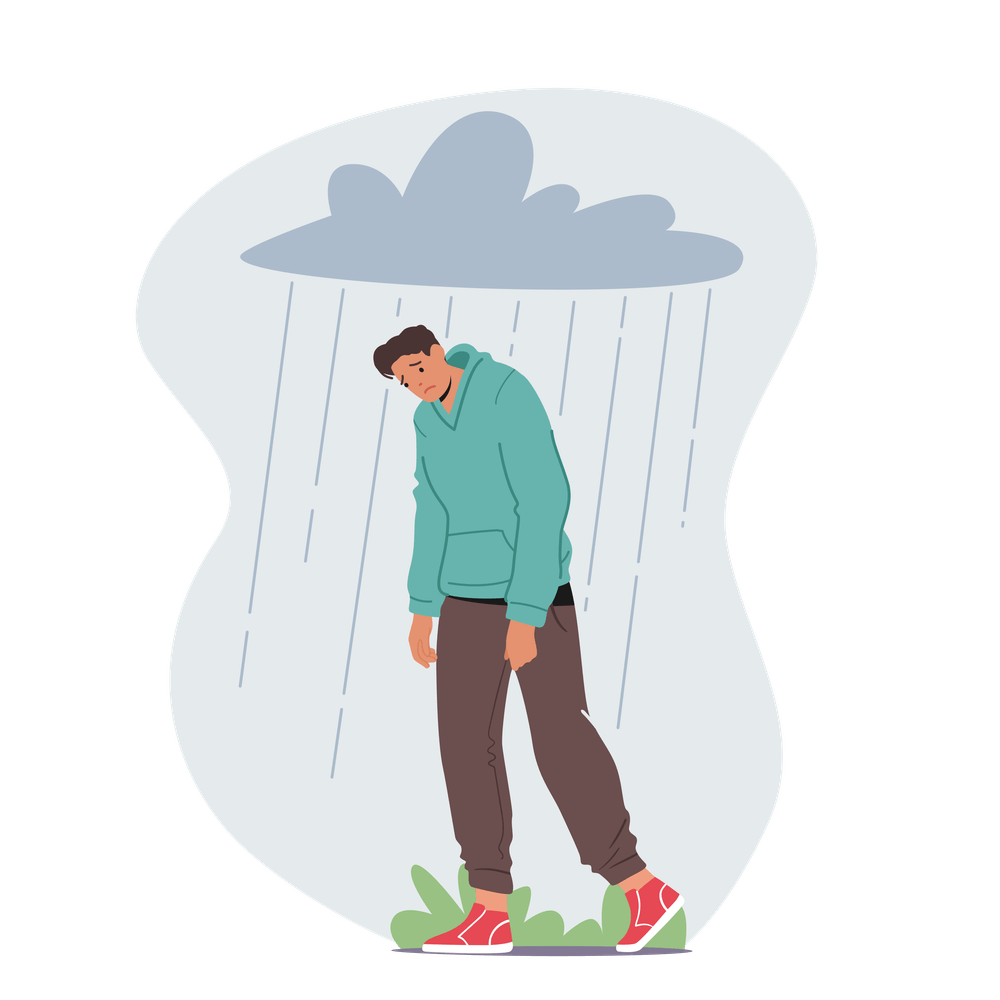
Depression in bipolar disorder may appear early in life, sometimes before manic symptoms emerge, making recognition and support especially important.
Substance use can become riskier during bipolar mania, as impulsivity increases and the desire for intense experiences overrides caution.

Impulsive relationship changes can occur in bipolar disorder, such as sudden breakups or intense attachments formed during mood elevation.

Hospitalization is sometimes needed for safety during severe mania depression or mixed episodes. It is not a moral failure. It is medical stabilization. Hospitals can help with medication adjustments sleep restoration and monitoring when risk is high. Many people fear being judged but treatment teams focus on safety and symptom relief. Planning ahead can reduce fear. Know what to bring how to contact family and how work will be notified. After discharge recovery often involves follow up appointments structured routines and gradual return to responsibilities. Understanding the purpose of hospitalization can reduce shame and help you seek help earlier if needed
In Wilton Manors therapy often strengthens bipolar disorder treatment by adding practical skills beyond medication. Therapy can help recognize triggers manage stress and rebuild routines after episodes. Cognitive strategies reduce depressive thinking while social rhythm work stabilizes daily schedules. Therapy also supports relationship repair and self compassion after difficult periods. Skills like grounding emotion labeling and boundary setting help during early warning stages. The goal is steady functioning not perfection. Combining therapy with consistent routines and medical care creates a more resilient long term plan for everyday life and lasting stability
We offer medication management for mental health conditions such as ADHD, anxiety, depression, insomnia, and bipolar disorder.
For some individuals, ADHD shows up as physical restlessness, tapping feet, shifting positions, or needing movement, especially during long quiet situations.
Anxiety can distort perspective, making harmless sensations or small setbacks seem threatening, even though the person logically knows they are safe.
Depression often comes with loss of interest, where hobbies and passions fade, leaving life feeling flat and routines feeling meaningless.
Insomnia often involves hyperawareness, where small noises, sensations, or thoughts feel amplified in the quiet darkness.
Wilton Manors is known for strong community energy, and connection can be a protective factor for bipolar disorder. Supportive friendships, groups, and consistent social contact help reduce isolation during depression and provide grounding during mood elevation. The key is balance, since overcommitting socially can disrupt sleep. Choosing a few steady connections, scheduling downtime, and keeping treatment consistent allows community life to strengthen stability rather than overwhelm it.
Hypomania can look like confidence and excitement, especially in an active social environment like Wilton Manors. Early signs may include sleeping less without feeling tired, talking faster, starting multiple projects, or feeling unusually irritable when slowed down. People may also spend more money or take impulsive risks. If your mood feels unusually elevated for several days, check in with a clinician early. Catching patterns early helps prevent escalation.
Late nights can be challenging because sleep disruption is a major trigger for bipolar episodes. In Wilton Manors, social events and nightlife may encourage staying out past usual routines. Protecting sleep does not mean avoiding fun, but it helps to set an exit time, limit alcohol, and plan a calming wind down at home. Keeping the same wake time the next morning supports stability. Consistent rest is one of the strongest relapse prevention tools.
Depression often pulls people into withdrawal, even when community activities are nearby. In Wilton Manors, try using small steps instead of big expectations. Attend a short event for ten minutes, take a brief walk, or meet one trusted friend rather than isolating completely. Pair social contact with basic self care like eating regular meals and keeping sleep consistent. Small engagement prevents depression from shrinking your world and supports recovery alongside treatment.
Mood shifts can strain relationships if communication becomes reactive. Partners in Wilton Manors can benefit from planning calm conversations before symptoms rise. Agree on early warning signs, such as reduced sleep or sudden irritability, and decide on supportive steps together. Using gentle language and focusing on safety rather than blame helps. Couples therapy or psychoeducation can strengthen understanding. Bipolar disorder is not a character flaw, and teamwork reduces conflict.
Urgent support is needed when symptoms become unsafe or severe. In Wilton Manors, seek immediate care if someone has suicidal thoughts, hallucinations, dangerous impulsivity, extreme agitation, or cannot sleep for several nights with escalating energy. These may signal a serious episode requiring emergency evaluation. Contact a crisis line, reach your psychiatrist, or go to the nearest emergency department. Acting early protects safety and often shortens recovery time.
Reviewed by Mind Mechanic Clinical Oversight
Last updated: January 28, 2026
