Several FDA-approved medications have been clinically proven to improve feelings of worry and nervousness. Learn more in our detailed anxiety medication guide.
Our mission is to provide anxiety focused care that meets people where they are and respects their pace. We keep access simple with timely scheduling, reasonable costs, and direct communication with your provider. Anxiety can intensify when patients feel unheard or stuck waiting, so we emphasize responsiveness and ongoing monitoring. Our approach reduces long phone queues and limited follow up. We tailor treatment to your symptoms, lifestyle, and goals, including skills for stress tolerance and better routines. We aim to make each step feel calmer, clearer, and more manageable. We’re here to provide Anxiety treatment and other mental health services in Deerfield Beach, FL.
Anxiety can present itself in many different ways. There are many signs and symptoms to watch out for.
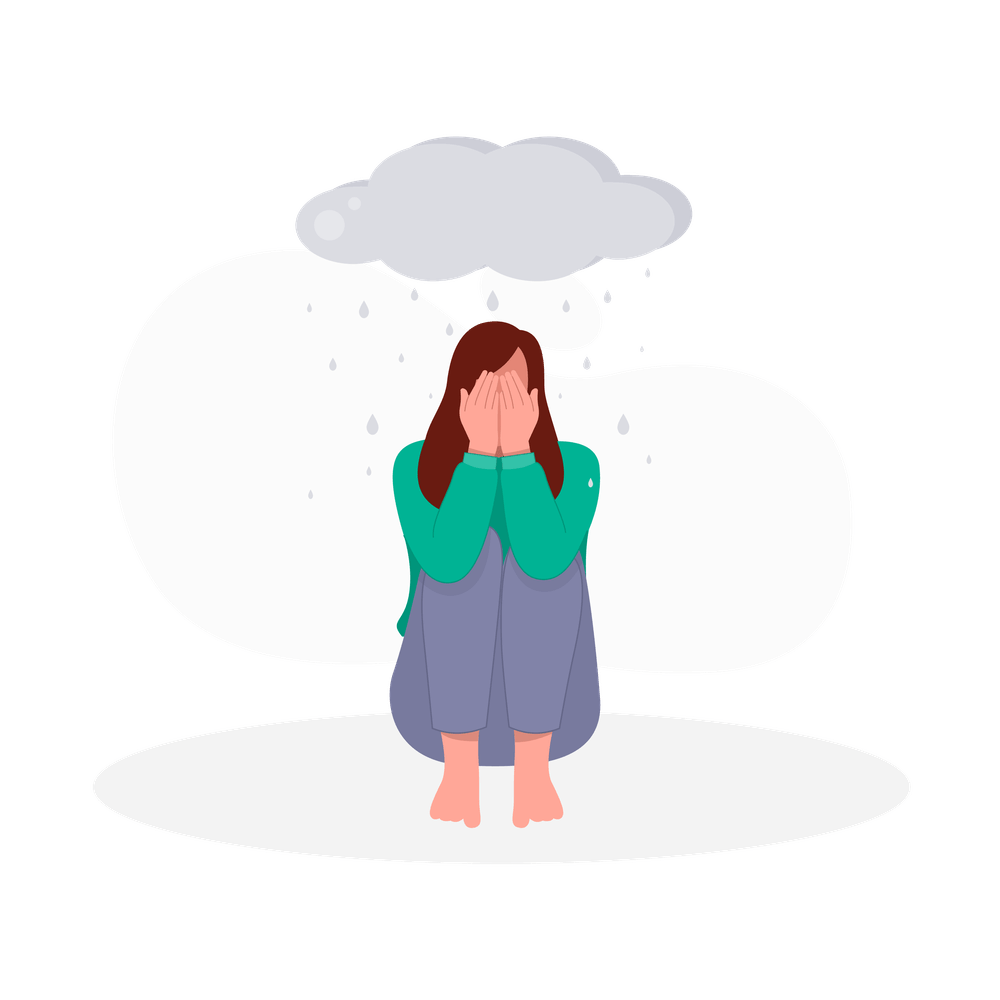
Excessive worry linked to anxiety often causes the mind to fixate on potential problems, making it difficult to feel calm or confident about everyday situations.
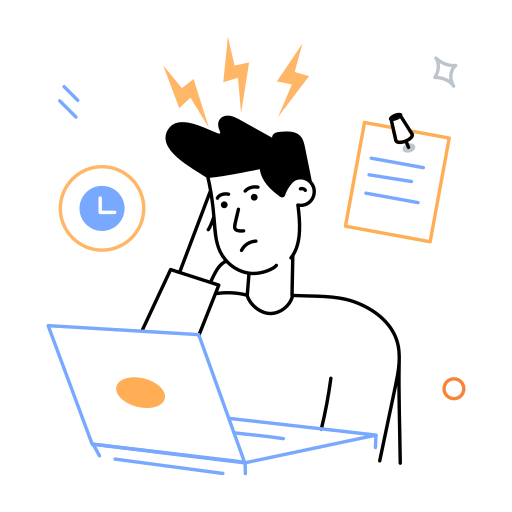
Restlessness related to anxiety often creates a constant urge to move, making it difficult for the body to feel calm or settled.
A fast heart rate related to anxiety occurs when the body reacts as if danger is present, even though no real physical threat exists.
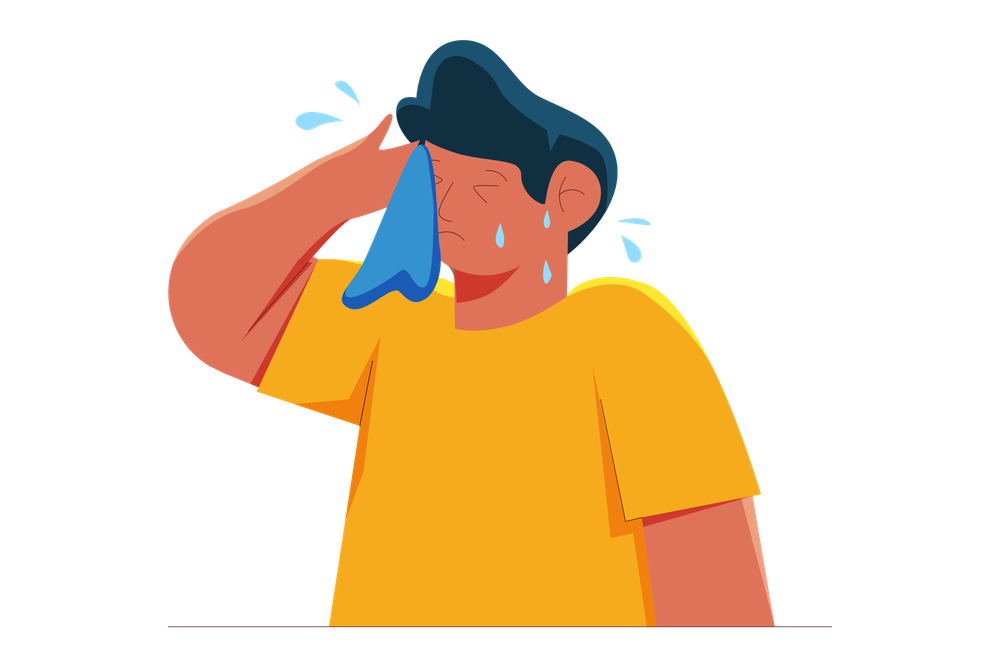
Muscle soreness related to anxiety often develops when the body stays tense for extended periods, preventing muscles from fully relaxing and recovering naturally.
Irritability related to anxiety often occurs when the nervous system feels overwhelmed, making small challenges feel disproportionately frustrating or hard to manage.
Health anxiety pulls attention to sensations and searches for certainty. Checking symptoms online, taking repeated vitals, or asking for reassurance can become compulsive. Try a two step plan. First, name the sensation and rate it from one to ten. Second, delay checking for twenty minutes while doing a grounding task, like folding laundry or walking. Often the urge fades. If a symptom is new, severe, or persistent, use a planned medical visit rather than constant checking. Structure reduces fear and teaches your brain that you can tolerate uncertainty.
Deerfield Beach provides natural calming spaces, but anxiety still requires active management. Coastal walks and morning sunlight can reduce stress and support nervous system regulation. The goal is gentle consistency, not intense change. Pair outdoor time with slow breathing and mindful attention to the present. Anxiety improves when sleep and meals stay regular. Therapy can help individuals manage panic symptoms and worry cycles. Nature supports recovery best when combined with structured coping habits.
We offer medication management for mental health conditions such as ADHD, anxiety, depression, insomnia, and bipolar disorder.
ADHD is the gap between intention and execution, where you sincerely plan to respond, pay, or arrive, then the moment slips away while your mind follows something else.
Depression can shrink your world, turning invitations into pressure, messages into chores, and leaving the couch as the safest place, even when loneliness still stings quietly.
It may involve bursts of creativity and productivity that feel thrilling, yet unsustainable, followed by crashes where concentration disappears and previously exciting projects suddenly feel pointless.
Insomnia is waking up at 3:17 and suddenly remembering every problem you’ve ever postponed, as if your brain saved them for a private, quiet, darkest-hour meeting.
Deerfield Beach offers calming ocean spaces that can help reduce anxiety through grounding. A short morning walk near the water with mindful breathing can settle the nervous system. Anxiety often pulls the mind into future worries, so focusing on sensory details like waves and sunlight brings attention back to the present. Consistent sleep and regular meals strengthen emotional regulation. Nature is not a cure, but it works well alongside therapy and healthy routines.
Anxiety often shows up physically as much as mentally. In Deerfield Beach, people may notice chest tightness stomach discomfort headaches muscle tension or a racing heartbeat during stressful moments. These sensations can feel alarming, but they are common nervous system responses. Learning to label symptoms as anxiety reduces fear. Hydration steady sleep and grounding techniques help calm the body. Therapy provides tools for managing physical stress reactions and preventing panic escalation.
Yes, crowded weekends and social plans can trigger anxiety through overstimulation and disrupted routines. In Deerfield Beach, late nights or constant activity may reduce sleep and increase nervous system arousal. Enjoying events is possible with boundaries, such as setting an exit time planning quiet recovery afterward and limiting alcohol. Grounding skills like slow exhale breathing help in busy environments. Therapy can support social confidence and reduce avoidance over time.
Work stress can keep anxiety active even after the workday ends. In Deerfield Beach, professionals may experience racing thoughts difficulty focusing or irritability when demands feel nonstop. Helpful strategies include taking short grounding breaks setting boundaries around work hours and scheduling decompression time after work. Reducing caffeine late in the day supports calmer energy. Therapy can help challenge catastrophic thinking and build healthier coping patterns for long term resilience.
A portable calming tool is extended exhale breathing. Inhale gently for four counts and exhale slowly for six counts, repeating for two minutes. This signals safety to the nervous system. Add grounding by naming five things you see around you. Deerfield Beach residents can use this before driving appointments or stressful errands. Practicing daily makes it more effective. These tools reduce intensity and restore control.
Professional help is important when anxiety affects sleep relationships or daily functioning. In Deerfield Beach, consider reaching out if worry feels constant panic symptoms occur frequently or avoidance limits your life. Therapy provides tools for managing rumination fear cycles and physical stress responses. Medication may help some individuals when symptoms are severe. Seeking support early prevents anxiety from becoming more entrenched and supports long term wellbeing.
Reviewed by Mind Mechanic Clinical Oversight
Last updated: January 28, 2026
