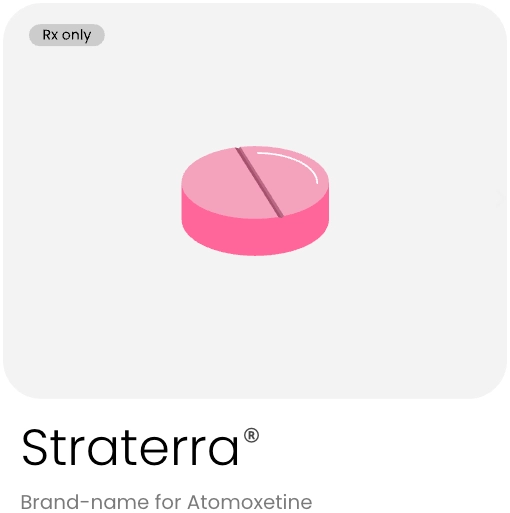
Several FDA-approved medications have been clinically proven to improve attention and focus. Learn more in our detailed adhd medication guide.
Our mission is to provide modern, patient centered ADHD care that prioritizes connection and accessibility. Many people with ADHD struggle with focus, procrastination, restlessness, and frustration, and they deserve care that fits their lives. We offer prompt appointments, personalized treatment plans, and the ability to message your provider directly. Traditional systems often create barriers, but we focus on clear communication and consistent support. By staying closely connected, we help ensure progress continues between visits. Our goal is to help you manage ADHD with confidence and direction. We’re here to provide ADHD treatment and other mental health services in Weston, FL.
ADHD can present itself in many different ways. There are many signs and symptoms to watch out for.
People with ADHD often develop coping strategies for forgetfulness, like reminders, calendars, and structured routines to reduce daily disruptions.

Many with ADHD find procrastination improves when tasks are broken into smaller parts, making starting feel less intimidating.

Careless mistakes can affect self esteem in ADHD, especially when others misunderstand them as carelessness rather than a symptom.

Disorganization often worsens in ADHD during busy or stressful times, when attention is pulled in many directions at once.
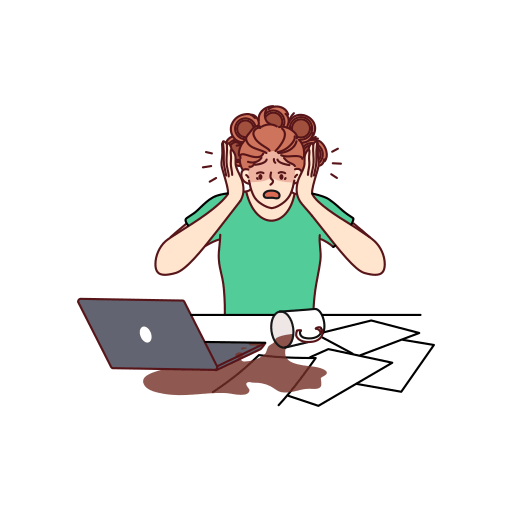
Trouble focusing in ADHD can affect organization, because distractions interrupt planning and make it harder to complete tasks in order.

ADHD brains often stay on at night. A wind down routine helps the nervous system shift gears. Set a screen off time and charge devices outside the bedroom if possible. Dim lights and do one calming activity like reading a paper book gentle stretching or a warm shower. Write tomorrow worries and tasks on a list so they stop looping in your head. Keep bedtime consistent even on weekends. Better sleep improves attention emotional control and impulse management. Treat sleep as a skill you practice not a switch you flip. Start small track results and adjust until the system fits your life.
Weston students and professionals may feel pressure to perform which can intensify ADHD stress. Perfectionism can lead to procrastination and emotional fatigue. Defining done enough goals helps progress. Time boxing assignments and celebrating completion builds confidence. Supportive routines like sleep exercise and planned downtime protect mental health. When expectations become realistic individuals manage attention more effectively and feel less overwhelmed by constant striving
We offer medication management for mental health conditions such as ADHD, anxiety, depression, insomnia, and bipolar disorder.
Anxiety may lead to avoidance, where places, conversations, or responsibilities feel overwhelming, even though the person deeply wants to participate.
Depression may cause withdrawal, making social interaction exhausting, as the mind convinces itself that connection is pointless or burdensome.
Bipolar disorder may impact relationships, as mood shifts can affect communication, decision-making, and the ability to maintain steady emotional connection.
Insomnia may cause irritability and low mood, as lack of rest affects emotional balance, patience, and resilience during daily challenges.
In Weston some kids with ADHD look successful because they work twice as hard to keep up. You may see straight grades but also late nights tears over homework and constant checking for mistakes. Projects that require planning can melt down at the last minute. A helpful approach is to measure effort and stress not just report cards. Clear milestones written instructions and weekly planning time reduce overload. Proper evaluation can confirm ADHD and guide school supports.
Weston families often stack practices tutoring and activities until there is no recovery time. ADHD brains then run on adrenaline and crash with irritability and shutdown. Choose one high energy activity per season and protect two unscheduled evenings weekly. Put homework into short sprints with a visual timer then end at a set time. Build a simple wind down routine that starts before screens. When recovery is scheduled attention improves and mornings feel less explosive.
Instead of asking Did you do your work build an external system. In Weston teens do best with one dashboard that shows assignments due dates and next actions. Use a single planner or app plus a nightly five minute review. Break each assignment into the first tiny step and write that step not the whole task. Add calendar reminders for milestones not just the final due date. Consistency matters more than fancy tools and missing work drops quickly.
Perfectionism can be a protective mask for ADHD in Weston professionals. If the first draft must be flawless starting feels risky so tasks get delayed. The fix is to set a time box and define done enough before you begin. Write a simple success rule like submit a rough version by noon. Then refine only if needed. Track completion not polish. Shipping imperfect work builds momentum and reduces anxiety while still producing strong results over time.
ADHD and screens can form a sticky loop. In Weston many people scroll at night to decompress but the light and stimulation delay sleep and worsen attention the next day. Create a screen sunset set a cutoff time and charge devices outside the bedroom. Replace scrolling with a short routine like shower reading or stretching. During the day use app limits and silence notifications during focus blocks. Better sleep often leads to calmer mood and fewer impulsive choices.
A strong routine in Weston should run even on chaotic days. Start with three priorities and schedule two focus blocks like meetings. Use a two minute start action to break inertia then work in timed sprints with short movement breaks. Keep one capture list for random ideas so you stop task switching. Batch email into set windows. End the day by writing tomorrow first step and setting out essentials. Predictable starts and endings reduce overwhelm and improve follow through.
Reviewed by Mind Mechanic Clinical Oversight
Last updated: January 28, 2026
