Several FDA-approved medications have been clinically proven to improve feelings of worry and nervousness. Learn more in our detailed anxiety medication guide.
Our mission is to make high quality anxiety care available without long waitlists or unnecessary hoops. We prioritize quick access to appointments and maintain open communication through direct provider messaging. Anxiety often comes with urgent questions, physical symptoms, and intrusive worries, so timely support matters. We monitor your progress closely and personalize treatment based on your goals, preferences, and response. By reducing barriers that separate patients from providers, we help you feel supported between visits and confident in the next step. We’re here to provide Anxiety treatment and other mental health services in Pembroke Pines, FL.
Anxiety can present itself in many different ways. There are many signs and symptoms to watch out for.
Excessive worry caused by anxiety often interferes with concentration, pulling attention away from tasks and toward imagined problems.
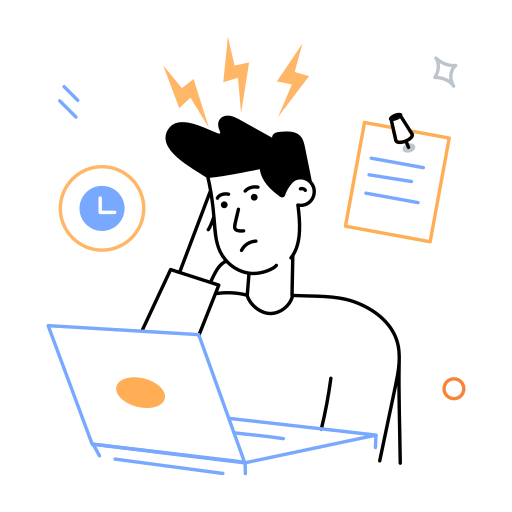
Anxiety may cause restlessness that disrupts sleep, preventing the body from fully winding down at night.
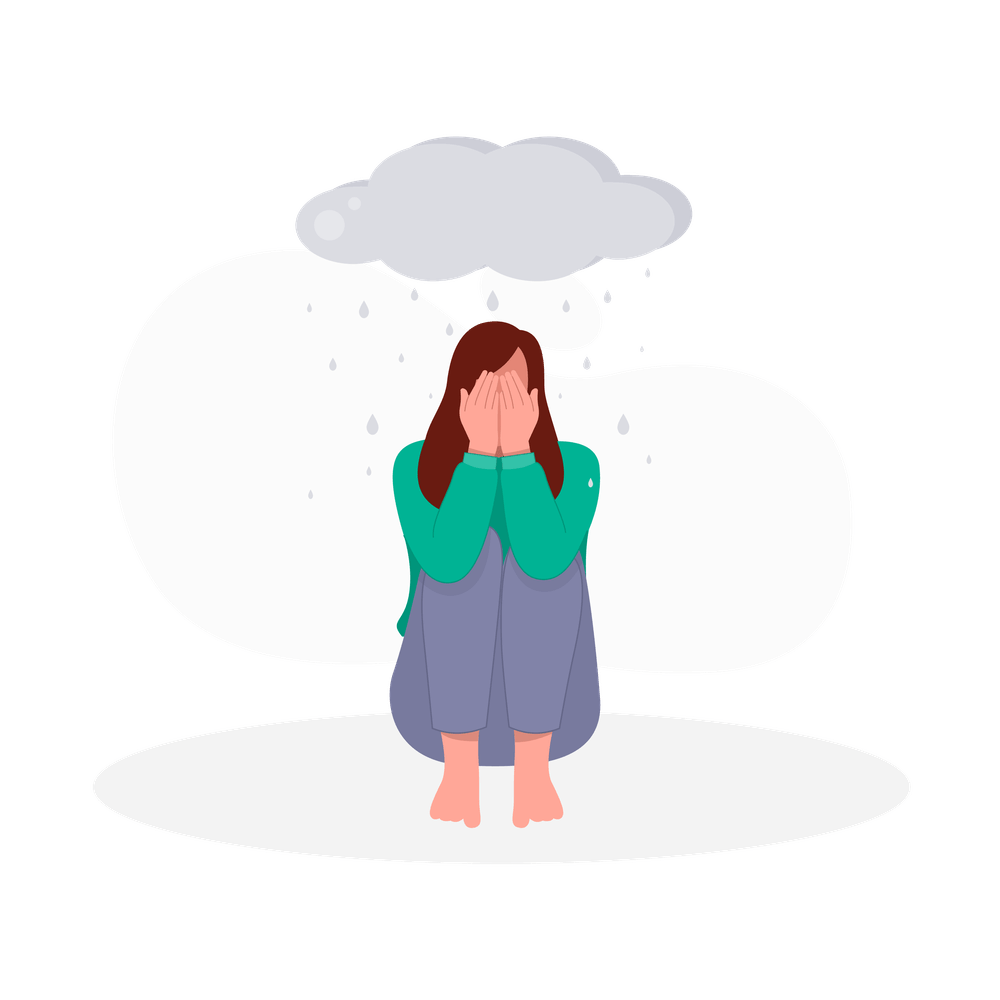
Anxiety keeps the body alert, causing the heart to beat faster as if responding to an emergency.
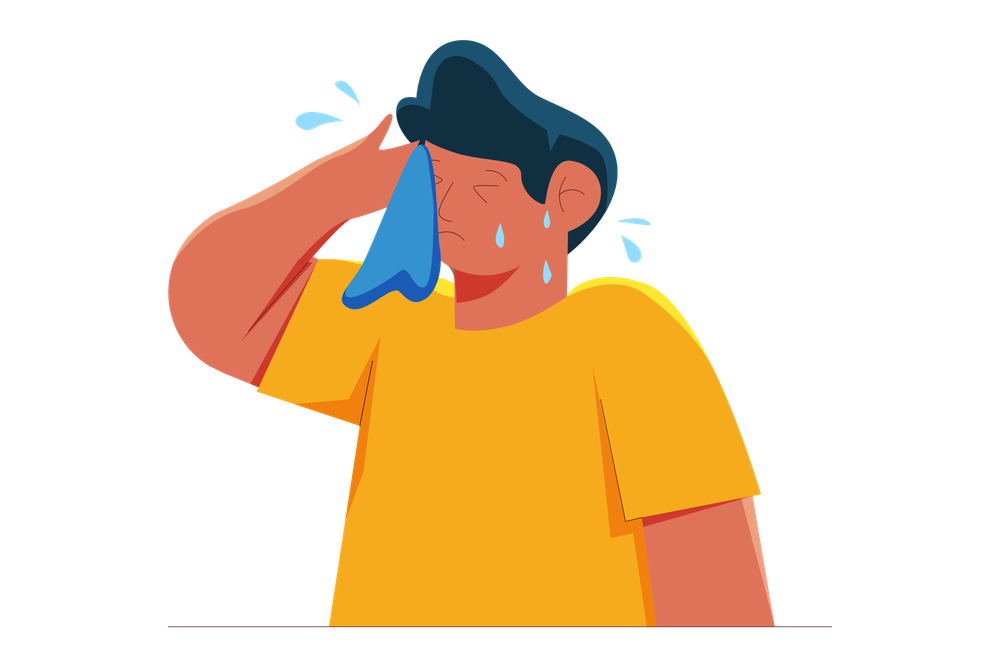
Muscle pain linked to anxiety reflects prolonged activation of stress responses within the nervous system.
When anxiety is present, irritability can appear unexpectedly, even in calm or familiar environments.
Anxiety lives in muscles, often in the neck, jaw, stomach, and hands. A tension map helps you notice and release. Scan from forehead to feet and name each area as tight or soft. Then do brief progressive relaxation, tightening one muscle group for five seconds and releasing for ten. Exhale as you release and let your tongue rest on the roof of your mouth. This teaches the body the difference between bracing and relaxing. With practice you catch tension earlier, before it turns into headaches, stomach upset, or fatigue. Practice after meals or before bed for best results.
Pembroke Pines residents often manage demanding workdays alongside family responsibilities. Anxiety may appear as constant tension, difficulty concentrating, or feeling on edge. Practical strategies include setting clear boundaries, taking short grounding breaks, and prioritizing sleep. Reducing caffeine late in the day and scheduling decompression after work can prevent stress buildup. Therapy helps individuals challenge catastrophic thinking and build healthier coping patterns. Small adjustments in routine often create noticeable improvements in daily calm.
We offer medication management for mental health conditions such as ADHD, anxiety, depression, insomnia, and bipolar disorder.
ADHD is having a mind that can hyperfocus like a spotlight, burning bright on one project, then leaving the rest of your life dim until you remember it exists.
Depression often steals enjoyment first: hobbies lose their spark, music sounds distant, and even favorite foods taste muted, as if your senses are operating on low power.
Depressive phases can follow the high like a power outage after fireworks, leaving exhaustion, guilt, and slowed movement, especially after the consequences of impulsive choices settle in.
Insomnia is a brain that insists on solving tomorrow at 2 a.m., drafting speeches, rehearsing conversations, and rewriting schedules when the only assignment is resting quietly.
Pembroke Pines residents often manage demanding workdays alongside family responsibilities, which can keep stress levels high. Anxiety may appear as constant tension difficulty concentrating or feeling on edge even during downtime. Creating boundaries helps, such as scheduling short breaks and protecting consistent sleep. Reducing caffeine late in the day supports calmer energy. Therapy can teach coping skills for rumination and catastrophic thinking. Small routine adjustments often lead to noticeable improvements in daily calm.
Anxiety frequently shows up in the body. In Pembroke Pines, people may notice chest tightness stomach discomfort headaches muscle tension or a racing heartbeat during stressful moments. These sensations can feel alarming, but they are common nervous system responses. Learning to label them as anxiety reduces fear. Grounding techniques hydration and steady sleep help symptoms settle. Therapy provides tools for managing physical stress reactions so they feel less overwhelming.
Yes, anxiety in teens may look like irritability avoidance procrastination or physical complaints rather than verbal worry. In Pembroke Pines, school expectations and social pressures can intensify stress. Anxiety may disrupt sleep and concentration. Supportive routines and calm conversations help teens feel safer. Encouraging gradual exposure to feared situations prevents avoidance from growing. Therapy teaches emotional regulation and healthy self talk, helping students build confidence and resilience early.
Driving anxiety is common when traffic feels unpredictable. In Pembroke Pines, commuting stress may trigger racing thoughts and physical tension. Helpful strategies include extended exhale breathing before starting the car and grounding by noticing sensory details like the feel of the steering wheel. Leaving extra time reduces rushing panic. Gradual practice with calmer routes builds confidence. Therapy can support exposure techniques so driving becomes less fear based over time.
A portable tool is the five senses grounding reset. Notice five things you see four you feel three you hear two you smell and one you taste. Pair this with slow exhale breathing to signal safety to the nervous system. Pembroke Pines residents can use this before meetings school events or stressful errands. Practicing daily makes it more effective during spikes. These small tools reduce intensity and restore control.
Professional support is important when anxiety interferes with sleep relationships or daily functioning. In Pembroke Pines, consider reaching out if worry feels constant panic symptoms occur frequently or avoidance limits your life. Therapy provides tools for managing fear cycles rumination and physical stress responses. Medication may help some individuals when symptoms are severe. Seeking help early prevents anxiety from becoming more entrenched and supports long term wellbeing.
Reviewed by Mind Mechanic Clinical Oversight
Last updated: January 28, 2026
