Several FDA-approved medications have been clinically proven to improve attention and focus. Learn more in our detailed adhd medication guide.
We are committed to making ADHD mental health care simple, accessible, and genuinely supportive. ADHD can affect productivity, mood, confidence, and everyday decision making, so care should feel responsive and personal. Our practice offers timely appointments, direct communication, and individualized treatment plans designed around your goals. We reduce common barriers like long waitlists and hard to reach providers by prioritizing ongoing access and follow up. With the ability to message your provider, you stay connected between visits. Our mission is to help you thrive with ADHD. We’re here to provide ADHD treatment and other mental health services in Fort Lauderdale, FL.
ADHD can present itself in many different ways. There are many signs and symptoms to watch out for.
Forgetfulness in ADHD is not laziness, but a brain based challenge with working memory, making it harder to hold information long enough to act on it.

Procrastination in ADHD is often tied to executive dysfunction, which affects planning, prioritizing, and following through on tasks step by step.

Students with ADHD may make careless mistakes on tests by rushing, missing questions, or losing track of what they already answered.

Students with ADHD may struggle with disorganization in school, losing assignments, forgetting materials, or missing important deadlines.
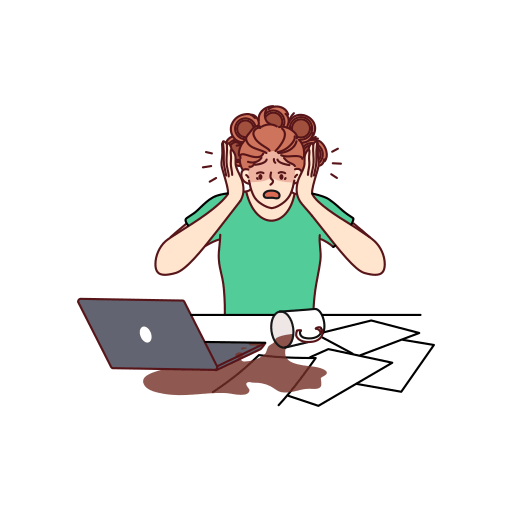
Students with ADHD may have trouble focusing in class, especially when lessons require sustained listening or long periods of sitting still.

ADHD study works best with structure and movement. Set a clear target like ten flashcards or one page summary. Use short intervals with planned breaks. During breaks stand up stretch or walk to reset your nervous system. Remove extra tabs and keep only the materials for this session on the desk. If reading is hard switch to active recall by closing the book and explaining the idea out loud. End by writing the next session starting point so tomorrow begins with clarity not confusion. Consistency matters more than intensity so keep it simple and repeatable.
Life in Fort Lauderdale can be socially active which may challenge ADHD attention and impulse control. People may interrupt talk quickly or feel overstimulated in crowds. Simple habits like pausing before speaking and using a keyword note can improve conversations. Scheduling quiet recovery time after busy events supports emotional balance. Limiting alcohol and protecting sleep also help regulation. With awareness social life can feel enjoyable without constant exhaustion
We offer medication management for mental health conditions such as ADHD, anxiety, depression, insomnia, and bipolar disorder.
Anxiety can create overthinking loops, where uncertainty grows larger and reassurance only helps briefly before new worries take its place.
Depression can create isolation, where reaching out feels impossible, even though connection and support are deeply needed and desired.
Bipolar disorder can bring unpredictable mood cycles, where motivation and emotions shift strongly, making consistent routines and relationships more challenging without support.
Insomnia can create a nightly cycle of anxiety, where fear of not sleeping makes bedtime stressful instead of calming and restorative.
Fort Lauderdale can be stimulating, with traffic events and constant notifications. ADHD brains may feel pulled in many directions. Create a city buffer plan. Choose two daily focus blocks and treat them like appointments. Turn off nonessential alerts and keep the phone in a bag during errands. Use a simple capture note for thoughts so you do not chase them. Schedule a short decompression walk after crowded places. These steps reduce overstimulation and help attention stay steadier.
Many people with ADHD do fine until their calendar fills. In Fort Lauderdale, work lunches, school pickups, and appointments can create time blindness. Use external time cues. Set a ten-minute warning alarm before leaving and a leave-now alarm. Add travel buffers automatically. For meetings, write the next step and the due time before you hang up. Keep one visible list of today’s three priorities. When time is visible, you arrive calmer and make fewer last-minute mistakes.
ADHD can create a nightlife hangover even without alcohol. Late nights, loud venues, and irregular sleep can increase impulsivity and irritability the next day. If you go out in Fort Lauderdale, set a stop time and a wind-down plan. Eat beforehand, hydrate, schedule a morning reset walk, and keep caffeine earlier. Avoid doom-scrolling in bed. Protecting sleep consistency often improves focus, mood, and daily decision-making more than pushing harder at work.
Adults with ADHD in Fort Lauderdale often describe relationship strain from forgetfulness and scattered listening rather than big fights. Build connection habits. Use shared notes for plans and repeat back key details in conversations. Put important dates into a calendar immediately. If you interrupt, keep a small keyword note so you can return to the speaker. End the week with a ten-minute check-in to confirm schedules and needs. Small systems reduce misunderstandings and build trust.
Fort Lauderdale professionals with ADHD may struggle in open offices, coworking spaces, or with constant messages. Design a focus workspace, face away from foot traffic, and keep only current-task materials visible. Use noise control, such as headphones or a soft background sound. Batch messaging into set windows. Start deep work with a two-minute action to break inertia. If meetings are back-to-back, schedule micro breaks for water and movement. The environment becomes a tool, not a distraction.
Kids and teens with ADHD in Fort Lauderdale can get overwhelmed by big projects and long reading assignments. Use a milestone map. Break the project into small deliverables with specific dates. For reading, use short sections, then close the book and write three points from memory. Study in sprints with planned movement breaks. Keep materials in one bin so setup is fast and simple. When progress is visible, students feel less stuck and more confident.
Reviewed by Mind Mechanic Clinical Oversight
Last updated: January 28, 2026
