Several FDA-approved medications have been clinically proven to improve feelings of sadness. Learn more in our detailed depression medication guide.

We are dedicated to helping individuals manage depression with care that is accessible, responsive, and tailored to real life. Depression often creates isolation, so we emphasize direct provider communication and consistent support. With affordable services and prompt scheduling, patients can begin treatment without months of waiting. Our approach removes unnecessary barriers, making it easier to receive guidance, medication management, and ongoing monitoring. We believe depression treatment should feel personal, not rushed or impersonal. Our mission is to provide steady support that helps you move toward brighter days. We’re here to provide Depression treatment and other mental health services in Coconut Creek, FL.
Depression can present itself in many different ways. There are many signs and symptoms to watch out for.
Hopelessness may deepen with depression as anxious thoughts repeat, convincing someone that relief is impossible and that every effort will end in disappointment.

Depression often causes low energy by slowing motivation, making routines like cooking, working, or socializing feel far more exhausting than usual.
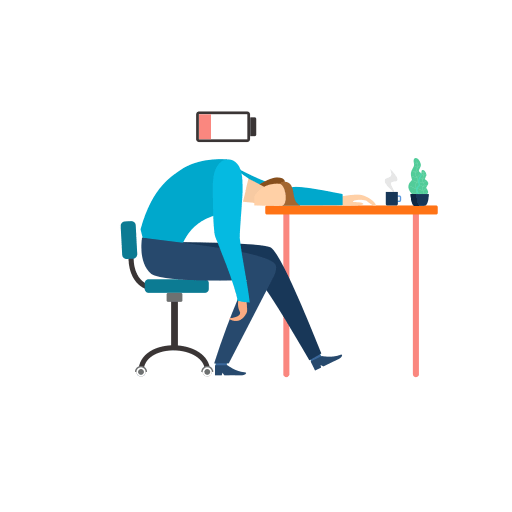
Depression often causes sleep changes by disrupting the body’s natural rhythm, making it hard to fall asleep, stay asleep, or wake up feeling rested.
Depression can cause difficulty focusing by filling the mind with sadness or worry, leaving less mental space for concentration and clear thinking.

Depression may cause irritability by draining emotional reserves, making everyday problems feel heavier and leaving less tolerance for noise, delays, or interruptions.

Depression often reduces appetite or drives cravings that leave energy even lower. The goal is not perfect eating, it is steady fuel. Choose simple options that require little effort: yogurt, eggs, rotisserie chicken, microwave rice, frozen vegetables, trail mix. Pair protein with something easy to digest. Small meals every few hours can stabilize mood and concentration. Hydration matters too. When eating feels impossible, aim for one bite, then another. Supporting your body creates a foundation for therapy, sleep, and recovery to work better
Depression often encourages withdrawal, but Coconut Creek offers natural spaces that can support gentle reengagement. A short walk outdoors can interrupt rumination and provide sensory grounding when emotions feel numb. The goal is not exercise performance, but contact with the present moment. Notice sounds, light, and movement around you. Pair outdoor time with one basic task like eating protein or showering. Depression recovery often begins with small exposures to life. Consistency helps the brain reconnect with pleasure and energy over time.
We offer medication management for mental health conditions such as ADHD, anxiety, depression, insomnia, and bipolar disorder.
ADHD often involves inconsistent attention, where you can hyperfocus on interesting things yet struggle to complete routine chores, paperwork, or long meetings without drifting.
Anxiety is worry that sticks, often out of proportion to the situation, bringing physical symptoms like racing heart, stomach flips, muscle tension, and trouble concentrating.
Bipolar disorder isn’t “just moodiness”; it’s episodic shifts in emotion, activity, and judgment that can disrupt routines, relationships, spending, sleep, and self-care in unpredictable cycles.
Insomnia is more than staying up late; it’s the persistent inability to fall asleep or stay asleep, often disrupting mood, focus, and daily functioning.
In Coconut Creek, depression often shows up as sameness, days feel blurred, motivation drops, and time loses shape. This can happen even when life looks stable. When routines disappear, the brain has fewer signals that anything is changing, which deepens numbness. A helpful step is creating small markers in the day, morning light, a short walk, one planned meal. Depression improves when life has edges again, not when everything becomes one long gray stretch.
Many Coconut Creek residents with depression describe losing interest in things they used to like. This is called anhedonia, and it can feel scary because joy feels unreachable. The brain’s reward system slows down, but it is not broken. The goal is gentle exposure without expecting instant enjoyment. Listening to music for five minutes or sitting outside briefly can be enough. Repeated contact helps pleasure return gradually, like a dimmer switch turning back on.
Yes, depression fatigue is different from normal tiredness. In Coconut Creek, someone may sleep long hours yet still feel drained, heavy, and mentally foggy. Depression affects energy regulation, not just effort. This can lead to guilt and withdrawal. A helpful approach is pacing: small movement, regular food, and realistic daily goals. Rest is important, but total inactivity often worsens fatigue. Support and treatment help the body regain rhythm over time.
Depression often creates shame because people believe they should be grateful or fine. In Coconut Creek, someone may think their life looks good, so feeling low must mean weakness. This is a distortion caused by the illness, not a character flaw. Depression is medical and psychological, not moral. Naming guilt as a symptom helps reduce self blame. Therapy can support self compassion and realistic thinking so recovery feels possible without constant inner punishment.
Depression can quietly distance people without arguments. In Coconut Creek, someone may stop replying, cancel plans, or feel emotionally unavailable, not because they do not care, but because they feel empty or exhausted. Loved ones may misinterpret this as rejection. Honest small communication helps, even one sentence like I am struggling. Relationships often strengthen when depression is named rather than hidden. Supportive connection is part of healing.
Depression recovery is rarely a sudden mood shift. In Coconut Creek, progress often looks like small reengagement, one task completed, one conversation started, one day with slightly more energy. Waiting for motivation can keep you stuck, so action becomes the doorway. Recovery is built through repetition, structure, and support. Therapy helps reduce hopeless thinking, and treatment creates stability. Over time, life expands again in quiet measurable steps.
Reviewed by Mind Mechanic Clinical Oversight
Last updated: January 28, 2026

