Several FDA-approved medications have been clinically proven to improve attention and focus. Learn more in our detailed adhd medication guide.

Our mission is to make ADHD treatment approachable, affordable, and centered on real life needs. Many people with ADHD struggle silently with attention, motivation, and overwhelm, and they deserve care that is responsive and personal. We offer timely appointments and direct access to your provider, so support is never far away. Instead of frustrating delays or endless phone calls, we focus on open communication and consistent follow up. ADHD care works best when it is collaborative, practical, and tailored. We are here to help you move forward with clarity. We’re here to provide ADHD treatment and other mental health services in Coconut Creek, FL.
ADHD can present itself in many different ways. There are many signs and symptoms to watch out for.
With ADHD, forgetfulness often comes from attention shifting quickly, making it difficult to store details like directions, deadlines, or conversations in a reliable way.

With ADHD, procrastination often happens because the brain struggles with task initiation, especially when an activity feels boring, overwhelming, or lacking immediate reward.

With ADHD, careless mistakes may appear in school or work, such as skipping steps, misreading instructions, or turning in incomplete tasks unintentionally.

With ADHD, disorganization often comes from executive functioning challenges, making planning, prioritizing, and maintaining structure feel overwhelming.
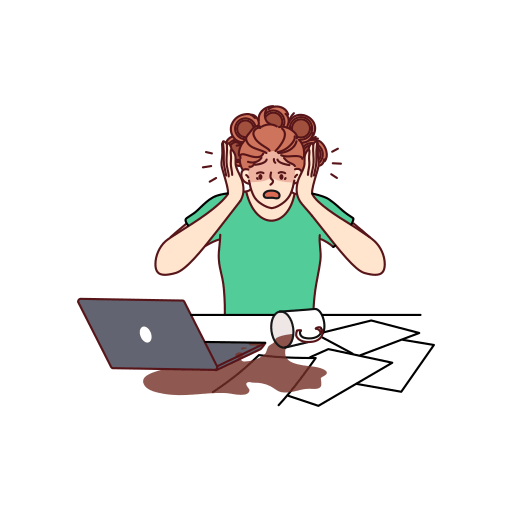
With ADHD, trouble focusing often comes from attention regulation challenges, where the mind shifts quickly even when someone wants to concentrate.

With ADHD the hardest part is often beginning. Starting friction grows when a task feels vague or too big. Shrink the first step until it is almost silly. Open the document. Put the dishes in the sink. Set a five minute timer and promise to stop after it rings. Momentum usually follows motion. If not you still completed a real step. Pair starts with a cue like the same playlist or a specific chair. This teaches your brain what start time feels like and reduces avoidance. These adjustments create predictability and reduce shame over time.
Adults with ADHD in Coconut Creek may struggle with distraction during busy workdays. Simple systems like time blocking visual timers and written next steps can improve productivity. Keeping a short priority list reduces decision fatigue. Short movement breaks help reset focus and prevent mental drift. Reducing notifications and using one capture notebook for ideas can also prevent overwhelm. With supportive routines many professionals feel steadier more organized and less emotionally drained
We offer medication management for mental health conditions such as ADHD, anxiety, depression, insomnia, and bipolar disorder.
Living with anxiety often means constant “what if” thinking, where the brain searches for danger, turning ordinary situations into sources of stress and unease.
Living with depression often means persistent emptiness, low energy, and a sense of disconnection, even when life appears normal and supportive from the outside.
Living with bipolar disorder can feel like emotional extremes, with highs of increased drive and lows of deep sadness, affecting sleep, focus, and daily stability.
Living with insomnia often means long nights of tossing and turning, as worries, thoughts, or restlessness keep sleep just out of reach.
In Coconut Creek, many adults juggle commutes and back-to-back tasks, so attention slips show up as missed turns, late arrivals, and mental fog after work. Build a driving routine that reduces distraction. Set navigation before moving, place the phone out of reach, and keep music simple. Add a ten-minute buffer to appointments and use a leave alarm. After arriving, take two minutes to breathe and write the next step so the transition is clean.
ADHD can make shopping in Coconut Creek feel like a treasure hunt, where every aisle is a tempting detour. Go in with a short list, sorted by section, and eat beforehand to avoid craving-driven choices. Use a basket, not a cart, to limit extras. Set a timer for twenty minutes and follow the same route each trip. If you spot something unplanned, take a photo and decide later at home. These rules protect focus and budget.
After-school hours in Coconut Creek can be the toughest window for kids with ADHD because energy is low and demands keep coming. Create a reset with a snack, water, and ten minutes of movement. Then choose one assignment and define the first tiny action, like opening the portal or writing a title. Work in short sprints with a visual timer and planned breaks. Keep supplies in one bin so nothing becomes a scavenger hunt. End by packing tomorrow’s items to reduce morning stress.
Remote work can be a gift for Coconut Creek adults with ADHD, but only if the day has structure. Start with three priorities and block them on a calendar. Use a body-double video session for the hardest task and keep the camera on for accountability. Put a sticky note on your monitor with the next step. Silence notifications and check email at two set times. Schedule a short walk between meetings to reset your brain. Structure turns flexibility into focus.
Some people in Coconut Creek describe ADHD not as distraction but as too much input at once. Bright lights, loud rooms, and overlapping conversations can trigger irritability or shutdown. Build a sensory plan, carry earplugs or noise-canceling headphones, and take brief quiet breaks before you feel overloaded. In social settings, choose the edge of the room so you can step out easily. Pair this with regular sleep and hydration because a tired brain is more reactive. Learning your triggers makes emotions easier to manage.
If you are unsure whether you have ADHD in Coconut Creek, think in patterns, not moments. ADHD usually shows up across settings, such as school, work, home, and relationships, and it often started earlier in life, even if it was missed. A good evaluation reviews attention, history, sleep, mood, anxiety, and substance use because several issues can mimic inattention. Many people also have both ADHD and anxiety, so treatment may combine skills training, therapy, and medication. Clear answers reduce self-blame and guide next steps.
Reviewed by Mind Mechanic Clinical Oversight
Last updated: January 28, 2026
