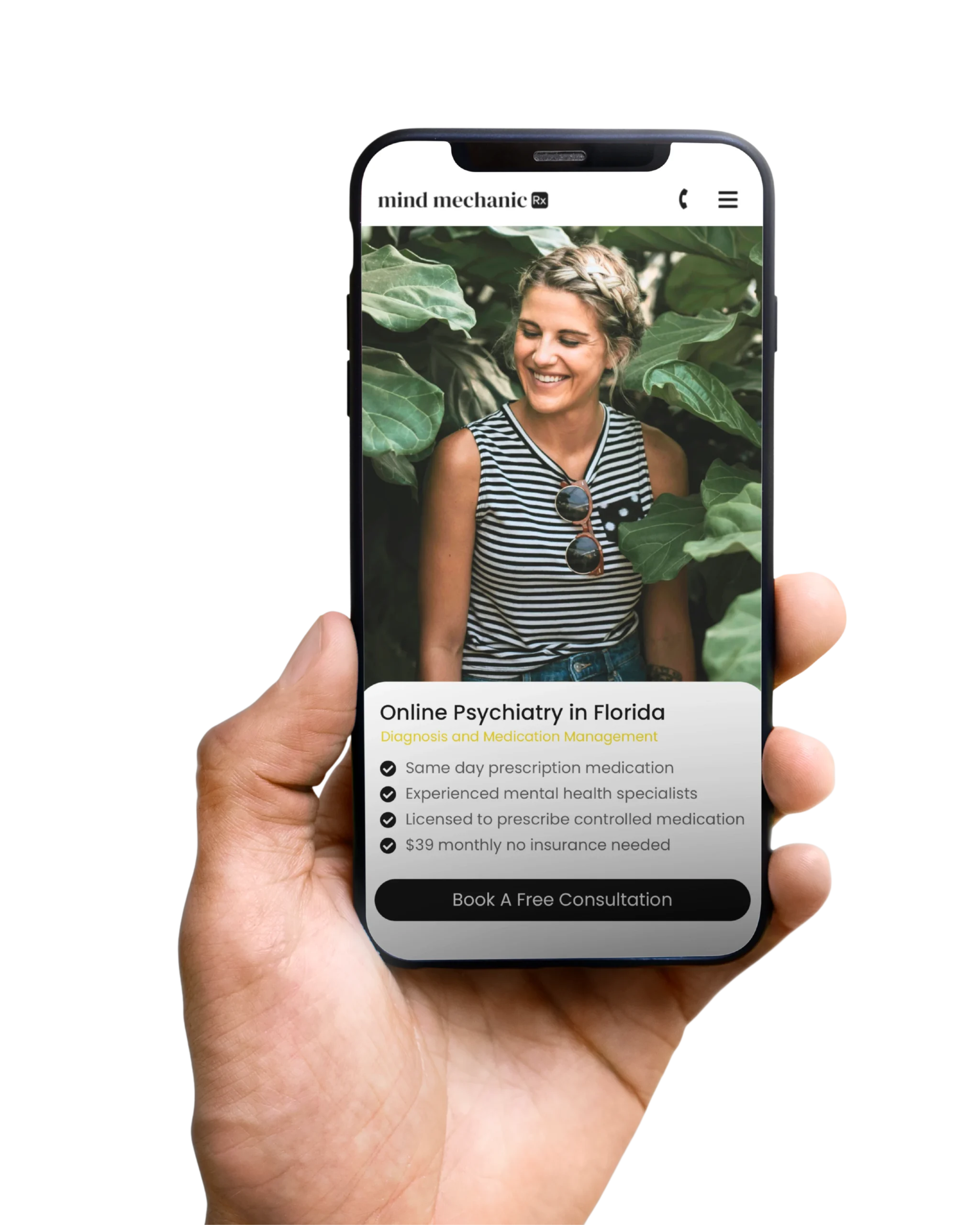
Mental health medication can be a valuable tool in supporting emotional stability, focus, and daily functioning when symptoms become disruptive or persistent. These medications work by adjusting brain chemistry related to mood, attention, sleep, and anxiety regulation. They are not shortcuts or personality changers, but targeted supports that help reduce symptom intensity so therapy, lifestyle habits, and coping skills can work more effectively. Responses vary from person to person, which is why careful evaluation and follow up matter. When thoughtfully prescribed and monitored, medication can act like a steadying handrail, helping people move forward with greater balance and confidence. Our established presence in South Florida, including Mind Mechanic Psychiatry Coral Springs and Mind Mechanic Psychiatry Boca Raton, reflects a long term commitment to serving Florida communities.
Psychiatric medications come in several categories, including antidepressants, mood stabilizers, stimulants, non-stimulant attention treatments, sleep aids, and anti-anxiety agents. Each class serves a different purpose and is selected based on symptom patterns, medical history, and treatment goals. Finding the right option often involves gradual adjustments rather than instant results. Side effects, benefits, and timing are all part of the decision process between patient and clinician. Medication plans are most effective when paired with open communication and regular check ins. The goal is not perfection, but measurable improvement in quality of life, resilience, and day to day functioning. Mind Mechanic Psychiatry provides mental health treatment and medication management services for patients across Florida
Mental health medications work by affecting brain signaling systems that regulate mood, attention, anxiety, sleep, and emotional balance. Different medications target different neurotransmitters such as serotonin, dopamine, or norepinephrine. By adjusting how these chemical messengers are produced, released, or received, medications can reduce symptom severity and improve daily functioning. They do not erase personality or instantly change behavior, but they can lower the intensity of symptoms enough for therapy and healthy routines to become more effective. Results usually build gradually over days or weeks, depending on the medication type and individual biology.
The timeline varies by medication class and by individual response. Some treatments, such as certain anxiety or sleep medications, may have noticeable effects within hours or days. Others, especially many antidepressants and mood stabilizers, often take several weeks to reach full benefit. Early side effects may appear before therapeutic effects, which can feel confusing without guidance. Consistent use as prescribed is important during the adjustment period. Providers typically schedule follow up visits to track progress and make dose changes if needed. Patience and monitoring are key parts of safe and effective medication treatment.
Not always. The length of treatment depends on diagnosis, symptom history, severity, and how often symptoms return. Some people use medication for a defined period while building coping skills and stability, then taper under medical supervision. Others with recurring or chronic conditions may benefit from longer term treatment to prevent relapse. Decisions about continuing or stopping medication should always be made with a qualified clinician, not abruptly or alone. Gradual tapering plans are often used when discontinuing. The goal is appropriate duration, not automatic lifelong use or premature stopping.
If side effects occur, do not stop the medication suddenly unless instructed to do so by a clinician. Many side effects are mild and temporary, especially during the first few weeks. Track what you notice, when it started, and how strong it feels, then report it to your provider. Adjustments can include dose changes, timing changes, supportive strategies, or switching medications. There are often multiple treatment options within each category. Open communication helps fine tune treatment safely. Urgent or severe reactions should be reported promptly so medical guidance can be given right away.
Yes. Medication and therapy are often more effective together than either approach alone for many conditions. Medication can reduce symptom intensity, making it easier to engage in therapy and apply coping strategies. Therapy builds skills for thinking patterns, emotional regulation, behavior change, and stress management that medication alone cannot provide. The combination supports both biological and psychological aspects of mental health. Many treatment plans intentionally include both elements. Coordination between prescriber and therapist, when available, can further improve outcomes and ensure that treatment goals stay aligned over time.
Self adjusting psychiatric medication doses is not recommended. Changing the amount or schedule without guidance can increase side effects, reduce effectiveness, or cause withdrawal symptoms depending on the medication. Even small changes can shift how the drug works in the body. If you feel your dose is too strong or too weak, contact your prescriber and describe what you are experiencing. They can recommend a structured adjustment if appropriate. Safe medication management is collaborative and monitored, with changes made thoughtfully rather than by trial and error alone.
Reviewed by Mind Mechanic Clinical Oversight
Last updated: January 28, 2026
