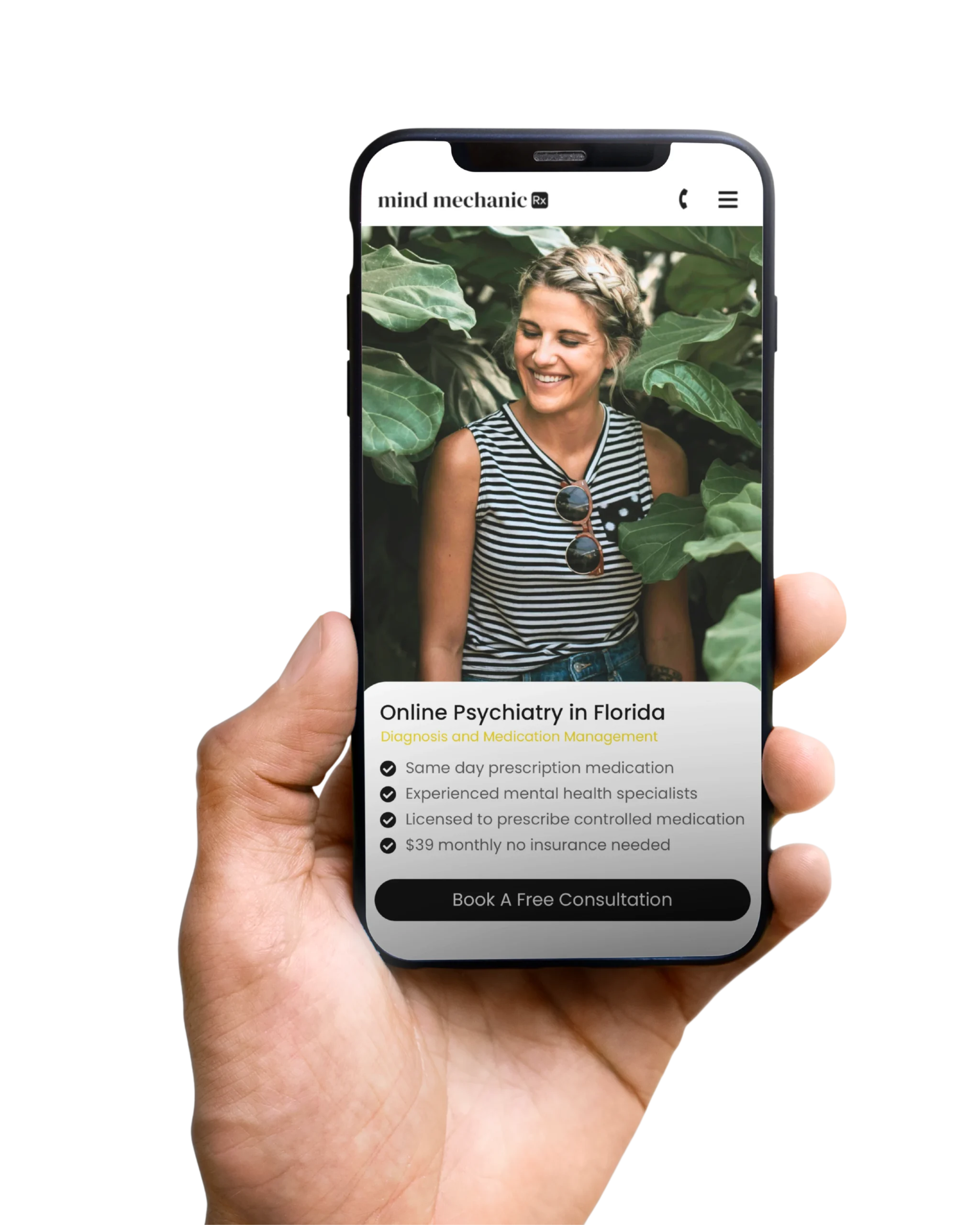
We offer online mental health medication management for residents of Pinellas County, FL. Although our services are fully virtual, we provide treatment only to those residing in specific areas.
Life in Pinellas County blends coastal living with busy professional demands, which can create unique mental health pressures. While the beach environment may appear relaxing, many residents face work stress, rising living costs, and limited downtime. Seasonal tourism can also affect routines, traffic, and access to services. Mental health care in Pinellas County often focuses on helping individuals manage stress, maintain emotional balance, and establish consistent routines despite external disruptions. Flexible treatment options and regular follow-up can support long-term stability while allowing people to enjoy the benefits of coastal living without sacrificing well-being.
Maintaining consistent mental health care is especially important in Pinellas County, where many residents relocate, travel frequently, or balance multiple responsibilities. Gaps in treatment can make symptoms harder to manage over time. Continuity of care allows providers to monitor progress, adjust treatment plans, and respond to changes in stress or lifestyle. Whether care includes medication management, therapy referrals, or structured follow-up, consistency supports better outcomes. Reliable access to mental health services helps individuals stay engaged in treatment, manage symptoms proactively, and maintain emotional stability as life circumstances evolve. Our online psychiatry services are available across multiple Florida counties.
We offer medication management for mental health conditions such as ADHD, anxiety, depression, insomnia, and bipolar disorder.
ADHD can affect concentration, restlessness, and follow-through. Many people struggle with distractions or impulsivity, but structured treatment can greatly improve daily performance.
Anxiety often brings persistent worry, nervousness, or physical tension. With support, patients can reduce anxious patterns and feel more in control.
Depression may cause emotional heaviness, low motivation, and changes in sleep or appetite. Professional care can help individuals feel more hopeful and engaged again.
Bipolar disorder includes cycles of mood elevation and depression. Treatment focuses on stability, symptom awareness, and long-term emotional balance.
Insomnia involves ongoing trouble with sleep onset or staying asleep. Addressing stress, routines, and underlying conditions can improve restorative rest.
Florida’s population includes long-term residents, retirees, college students, and people relocating from other states or countries. This diversity means mental health providers often treat a wide range of concerns shaped by cultural background, age, and life transitions. Treatment approaches may need to be flexible and individualized to account for language preferences, family structures, and differing views on mental health. Culturally aware care can improve communication, trust, and long-term treatment engagement.
Mental health care is commonly used to address work-related stress, burnout, and performance difficulties. Many Floridians face demanding schedules, service-based jobs, or high-pressure professional roles. Treatment can help individuals manage anxiety, improve focus, regulate emotions, and develop healthier coping strategies. Medication, therapy, or structured support may reduce the impact of chronic stress and help people maintain productivity without sacrificing emotional or physical well-being.
Sleep issues are frequently addressed in mental health care across Florida, as poor sleep often overlaps with anxiety, depression, ADHD, and trauma-related conditions. Difficulty falling asleep, staying asleep, or waking too early can worsen emotional symptoms and daily functioning. Mental health treatment may focus on identifying underlying causes, adjusting routines, or using targeted interventions. Improving sleep often leads to better mood regulation, concentration, and overall resilience.
Mental health treatment plans are rarely static. As symptoms change or life circumstances shift, providers may adjust medications, visit frequency, or therapeutic focus. In Florida, flexibility is especially important due to seasonal stressors, work demands, or health changes. Ongoing evaluation allows treatment to remain effective while minimizing side effects or unnecessary interventions. This adaptive approach supports long-term improvement rather than short-term symptom relief alone.
Mental health care is not limited to severe or crisis-level conditions. Many people in Florida seek care for mild to moderate concerns such as stress, emotional fatigue, focus difficulties, or relationship strain. Early support can prevent symptoms from escalating and help individuals build healthier coping strategies. Mental health treatment can be proactive, supporting overall well-being, personal growth, and improved daily functioning even when symptoms feel manageable.
Follow-up is a critical part of effective mental health care. Regular check-ins allow providers to track progress, identify side effects, and adjust treatment as needed. In Florida’s fast-paced environment, consistent follow-up helps maintain stability despite changes in work, family life, or stress levels. Ongoing communication ensures treatment remains aligned with goals, supports accountability, and encourages steady improvement over time.
Reviewed by Mind Mechanic Clinical Oversight
Last updated: January 28, 2026
